Then Before Us How different was the world before you arrived?

Then Before Us

How different was the world before you arrived?

Latest Articles

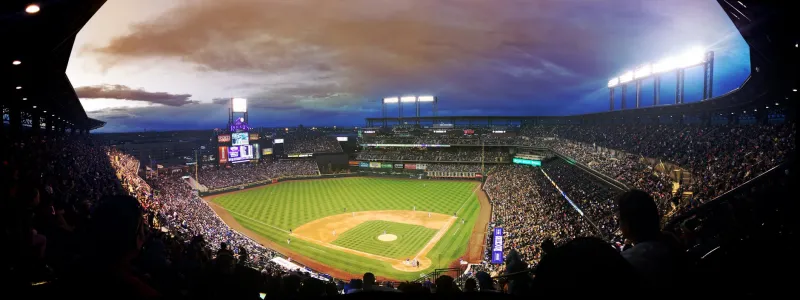
When America's Pastime Belonged to Everyone — Not Just the Premium Seats
Culture

When America's Pastime Belonged to Everyone — Not Just the Premium Seats

A family of four could catch a Major League Baseball game, grab hot dogs and sodas, and drive home with change from a twenty-dollar bill. Today, that same outing costs more than most families spend on groceries in a week.

When Breaking Your Arm Didn't Break the Bank: The Era of Affordable Emergency Care
Health

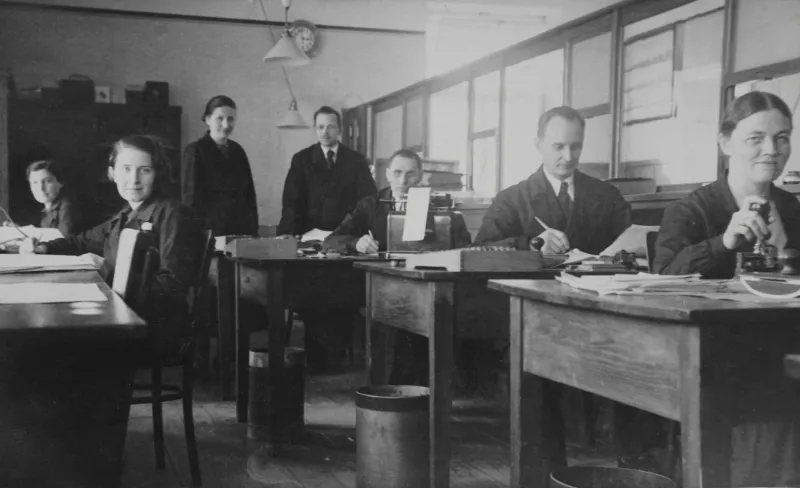
When Breaking Your Arm Didn't Break the Bank: The Era of Affordable Emergency Care

In 1960, a typical emergency room visit cost about $15 — roughly the same as a decent hotel room for the night. Today, that same broken arm could cost you $3,000 before you even see the doctor, transforming medical emergencies from manageable expenses into potential financial disasters.

When Calling in Sick Didn't Require an Excuse: How America Lost the Art of Actually Resting
Health

When Calling in Sick Didn't Require an Excuse: How America Lost the Art of Actually Resting

There was a time when American workers could stay home sick without guilt, documentation, or laptop duty. That era feels like ancient history now, but it wasn't that long ago.

When Letters Were Love: How Americans Once Cherished Friendships One Envelope at a Time
Culture

When Letters Were Love: How Americans Once Cherished Friendships One Envelope at a Time

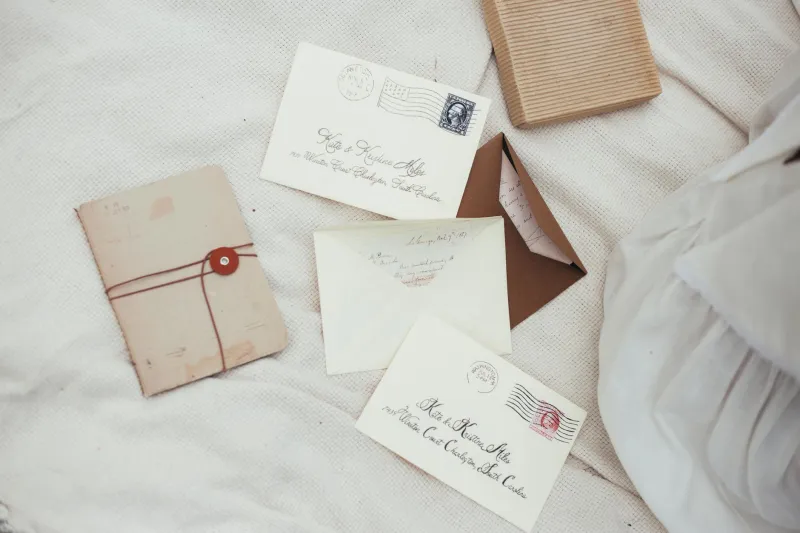
Before smartphones made staying in touch effortless, maintaining a long-distance friendship was an act of devotion. Americans once poured their hearts into handwritten letters, carefully budgeted for stamps, and waited weeks for replies—turning every piece of mail into a small celebration.

When Learning Something New Meant Getting Your Shoes On
Culture

When Learning Something New Meant Getting Your Shoes On

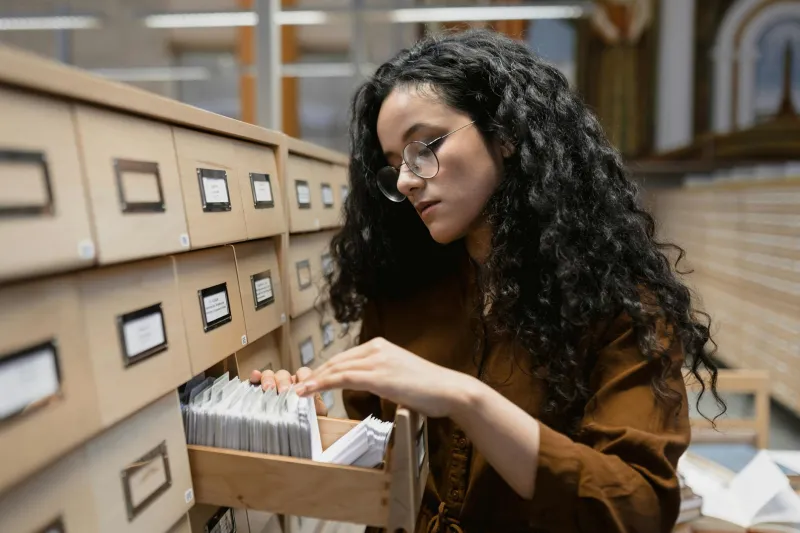
Before Google existed, satisfying your curiosity required an actual journey — to the library, bookstore, or classroom. The physical effort of learning shaped how deeply Americans engaged with knowledge in ways we're only beginning to understand.

When Every Kid Had a Dentist — And Every Family Could Afford One
Health

When Every Kid Had a Dentist — And Every Family Could Afford One

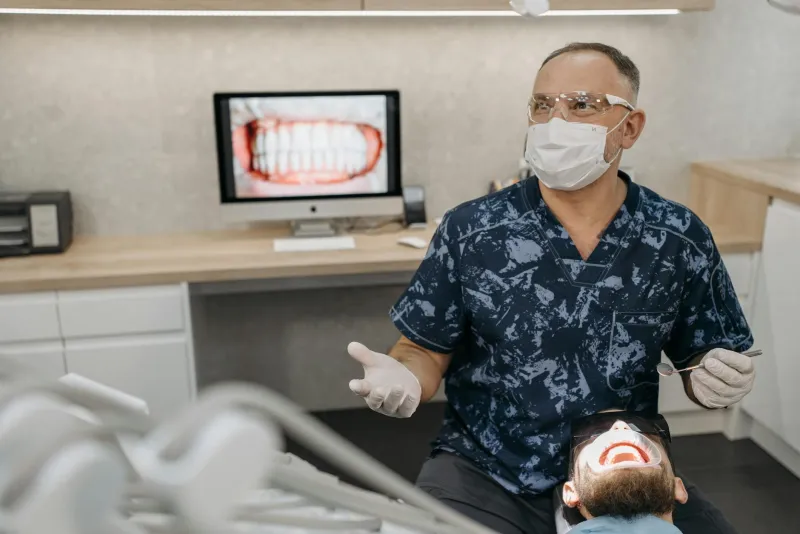
There was a time when visiting the dentist was as routine as getting your annual physical — and just as affordable. Today, dental care has quietly become one of America's most expensive luxuries, leaving millions with untreated pain and turning a healthy smile into a symbol of economic privilege.

When a Handshake Was Your Mortgage Application: How Buying a Home Used to Work Before Credit Scores Existed
Finance

When a Handshake Was Your Mortgage Application: How Buying a Home Used to Work Before Credit Scores Existed

Before FICO scores and automated underwriting, getting a home loan meant sitting across from your local banker and proving your worth through reputation and relationships. The deeply personal — and often deeply biased — world of mid-century mortgage lending reveals how dramatically home financing has transformed.

When Buying Your First Car Meant Walking Into a Showroom With Cash — Not a Credit Score
Finance

When Buying Your First Car Meant Walking Into a Showroom With Cash — Not a Credit Score

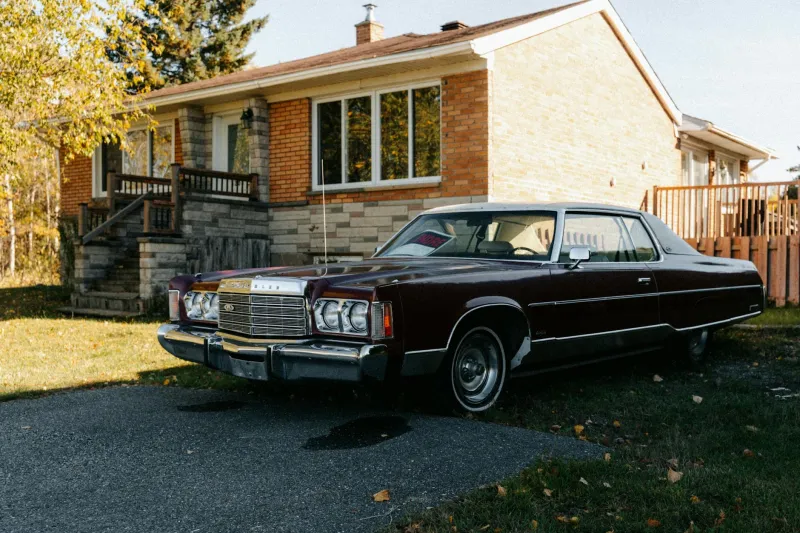
In 1965, the average American could buy a brand-new Chevrolet Impala for three months' wages. Today, that same purchase requires nearly two years of income — and that's just the beginning of how dramatically car buying has changed.

When Getting to School Was Your First Taste of Freedom — Not a Security Risk
Culture

When Getting to School Was Your First Taste of Freedom — Not a Security Risk

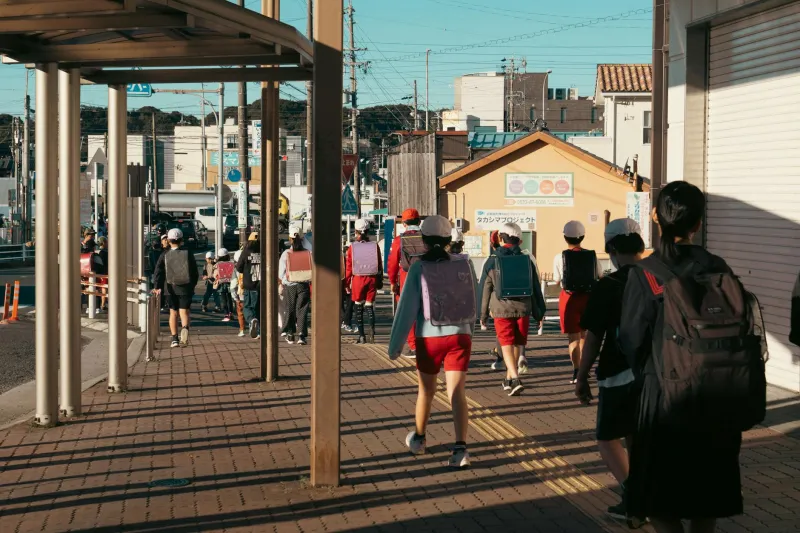
A generation ago, six-year-olds walked to school alone, meeting friends along tree-lined sidewalks and learning independence one block at a time. Today, that same journey requires background checks, GPS tracking, and a carpool line that rivals airport security.

When Shopping for School Supplies Meant a Quick Trip to the Five-and-Dime
Culture

When Shopping for School Supplies Meant a Quick Trip to the Five-and-Dime

Before back-to-school became a retail marathon, parents could outfit their kids for an entire school year with just a few dollars and one simple shopping trip. The transformation from basic supplies to today's elaborate preparation reveals how dramatically American education culture has evolved.

When Three Months of Lifeguarding Actually Funded Four Years of Dreams
Finance

When Three Months of Lifeguarding Actually Funded Four Years of Dreams

A summer spent slinging burgers or teaching swimming lessons once guaranteed a debt-free college experience. Today's students work the same jobs but graduate with crushing debt loads that would have seemed impossible just decades ago.

Your First Paycheck Used to Launch a Career. Now It Just Covers Rent.
Finance

Your First Paycheck Used to Launch a Career. Now It Just Covers Rent.

In 1975, landing your first job meant joining a company that would train you, promote you, and possibly employ you for decades. Today's entry-level workers face a completely different reality. The transformation of America's entry-level job market reveals just how dramatically the concept of 'starting out' has changed.

When Three Months of Scooping Ice Cream Actually Covered Your Freshman Year
Finance

When Three Months of Scooping Ice Cream Actually Covered Your Freshman Year

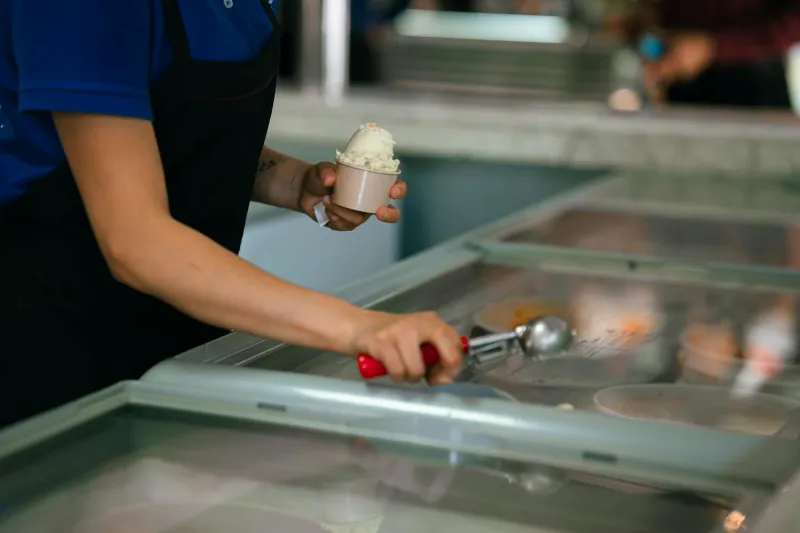
In 1980, a college-bound teenager could earn enough from a summer job to cover nearly their entire tuition bill. Today, that same job wouldn't even cover textbooks for one semester.

A Young Couple's Path to Homeownership Has Become Almost Unrecognizable in a Single Generation
Finance

A Young Couple's Path to Homeownership Has Become Almost Unrecognizable in a Single Generation

In 1970, a 25-year-old could realistically save for a down payment, secure a mortgage at reasonable rates, and own a home before 30. Today, that same timeline feels like a fantasy for most Americans. The gap between expectation and reality has quietly become one of the defining economic shifts of our time.

When the Evening News Was Your Window to the World — And That Window Opened Just Once a Day
Culture

When the Evening News Was Your Window to the World — And That Window Opened Just Once a Day

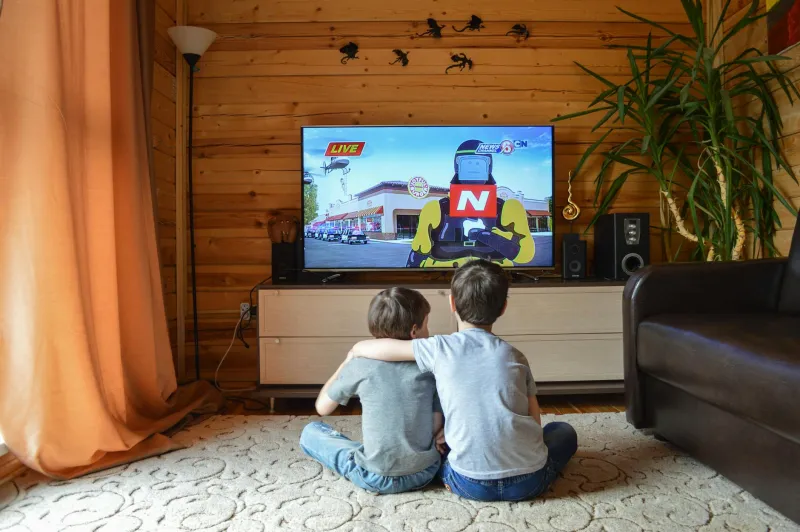
Your parents learned about world events from a 30-minute broadcast at 6 p.m. and a newspaper on the doorstep each morning. Today, you can access breaking news from anywhere, instantly, constantly. But has being perpetually informed actually made us feel more connected to what's happening — or more overwhelmed by it?

A Dollar Could Buy Your Whole Night Out at the Movies — And Then Some
Culture

A Dollar Could Buy Your Whole Night Out at the Movies — And Then Some

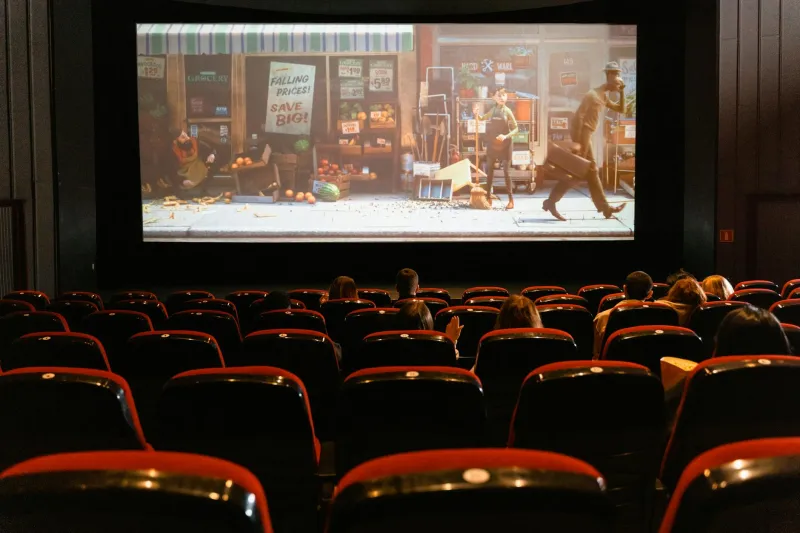
In 1955, a teenager could take a date to the movies, buy popcorn and soda, and still have coins left over for the bus ride home. Today, that same night costs more than a weekly grocery budget did back then. Here's how the moviegoing experience became a luxury event.

When Saturday Morning Was the Best Two Hours of the Week
Culture

When Saturday Morning Was the Best Two Hours of the Week

For American kids growing up in the 1970s and 80s, Saturday morning was practically a holiday — cartoons, cereal, and unstructured hours that belonged entirely to you. A lot has changed since then, and not all of it is progress.

The Family Vacation Was Already Exhausting Before You Even Left the Driveway
Travel

The Family Vacation Was Already Exhausting Before You Even Left the Driveway

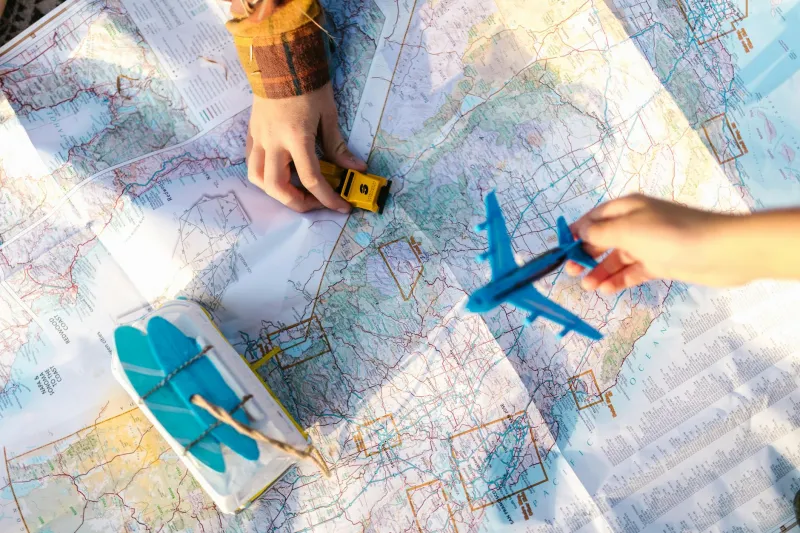
Before you could compare hotels in seconds or book flights from your couch, planning a summer trip was a weeks-long project involving paper maps, travel agents, and a whole lot of hope. Here's what the process actually looked like — and how much invisible work has quietly disappeared from American life.

Twenty Bucks at the Grocery Store: What It Got Your Family in 1970 vs. What It Gets You Now
Finance

Twenty Bucks at the Grocery Store: What It Got Your Family in 1970 vs. What It Gets You Now

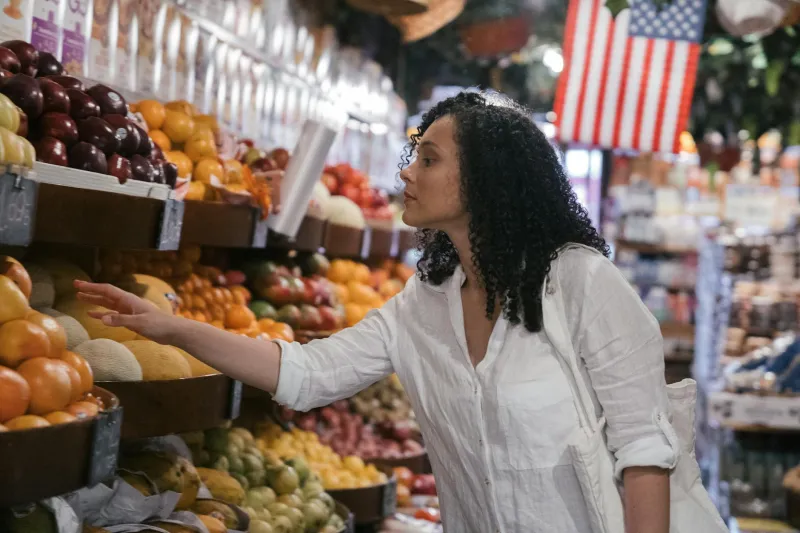
A $20 bill used to fill a cart. Today it barely covers a rotisserie chicken and a bag of apples. We dug into real historical price records to show just how dramatically the American grocery run has changed — and the results are genuinely jaw-dropping.

Getting Sick Used to Mean Financial Ruin for Ordinary Americans. Here's How That Changed.
Health

Getting Sick Used to Mean Financial Ruin for Ordinary Americans. Here's How That Changed.

For most of American history, a serious illness wasn't just a medical event — it was a financial catastrophe waiting to happen. There was no employer plan to fall back on, no Medicare safety net, and no guarantee that an emergency room would treat you regardless of your ability to pay. The story of how that changed is one that most Americans have never fully heard.