How different was the world before you arrived?

Then Before Us

How different was the world before you arrived?

Latest Articles

When Buying Your First Car Meant Walking Into a Showroom With Cash — Not a Credit Score
Finance

When Buying Your First Car Meant Walking Into a Showroom With Cash — Not a Credit Score

In 1965, the average American could buy a brand-new Chevrolet Impala for three months' wages. Today, that same purchase requires nearly two years of income — and that's just the beginning of how dramatically car buying has changed.

When Getting to School Was Your First Taste of Freedom — Not a Security Risk
Culture

When Getting to School Was Your First Taste of Freedom — Not a Security Risk

A generation ago, six-year-olds walked to school alone, meeting friends along tree-lined sidewalks and learning independence one block at a time. Today, that same journey requires background checks, GPS tracking, and a carpool line that rivals airport security.

When Shopping for School Supplies Meant a Quick Trip to the Five-and-Dime
Culture

When Shopping for School Supplies Meant a Quick Trip to the Five-and-Dime

Before back-to-school became a retail marathon, parents could outfit their kids for an entire school year with just a few dollars and one simple shopping trip. The transformation from basic supplies to today's elaborate preparation reveals how dramatically American education culture has evolved.

When Three Months of Lifeguarding Actually Funded Four Years of Dreams
Finance

When Three Months of Lifeguarding Actually Funded Four Years of Dreams

A summer spent slinging burgers or teaching swimming lessons once guaranteed a debt-free college experience. Today's students work the same jobs but graduate with crushing debt loads that would have seemed impossible just decades ago.

Your First Paycheck Used to Launch a Career. Now It Just Covers Rent.
Finance

Your First Paycheck Used to Launch a Career. Now It Just Covers Rent.

In 1975, landing your first job meant joining a company that would train you, promote you, and possibly employ you for decades. Today's entry-level workers face a completely different reality. The transformation of America's entry-level job market reveals just how dramatically the concept of 'starting out' has changed.

When Three Months of Scooping Ice Cream Actually Covered Your Freshman Year
Finance

When Three Months of Scooping Ice Cream Actually Covered Your Freshman Year

In 1980, a college-bound teenager could earn enough from a summer job to cover nearly their entire tuition bill. Today, that same job wouldn't even cover textbooks for one semester.

A Young Couple's Path to Homeownership Has Become Almost Unrecognizable in a Single Generation
Finance

A Young Couple's Path to Homeownership Has Become Almost Unrecognizable in a Single Generation

In 1970, a 25-year-old could realistically save for a down payment, secure a mortgage at reasonable rates, and own a home before 30. Today, that same timeline feels like a fantasy for most Americans. The gap between expectation and reality has quietly become one of the defining economic shifts of our time.

A Dollar Could Buy Your Whole Night Out at the Movies — And Then Some
Culture

A Dollar Could Buy Your Whole Night Out at the Movies — And Then Some

In 1955, a teenager could take a date to the movies, buy popcorn and soda, and still have coins left over for the bus ride home. Today, that same night costs more than a weekly grocery budget did back then. Here's how the moviegoing experience became a luxury event.

When the Evening News Was Your Window to the World — And That Window Opened Just Once a Day
Culture

When the Evening News Was Your Window to the World — And That Window Opened Just Once a Day

Your parents learned about world events from a 30-minute broadcast at 6 p.m. and a newspaper on the doorstep each morning. Today, you can access breaking news from anywhere, instantly, constantly. But has being perpetually informed actually made us feel more connected to what's happening — or more overwhelmed by it?

The Family Vacation Was Already Exhausting Before You Even Left the Driveway
Travel

The Family Vacation Was Already Exhausting Before You Even Left the Driveway

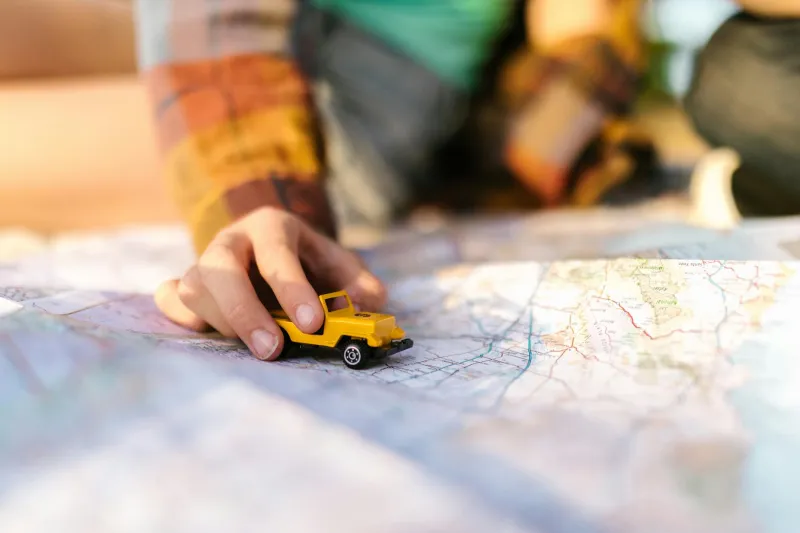
Before you could compare hotels in seconds or book flights from your couch, planning a summer trip was a weeks-long project involving paper maps, travel agents, and a whole lot of hope. Here's what the process actually looked like — and how much invisible work has quietly disappeared from American life.

Twenty Bucks at the Grocery Store: What It Got Your Family in 1970 vs. What It Gets You Now
Finance

Twenty Bucks at the Grocery Store: What It Got Your Family in 1970 vs. What It Gets You Now

A $20 bill used to fill a cart. Today it barely covers a rotisserie chicken and a bag of apples. We dug into real historical price records to show just how dramatically the American grocery run has changed — and the results are genuinely jaw-dropping.

When Saturday Morning Was the Best Two Hours of the Week
Culture

When Saturday Morning Was the Best Two Hours of the Week

For American kids growing up in the 1970s and 80s, Saturday morning was practically a holiday — cartoons, cereal, and unstructured hours that belonged entirely to you. A lot has changed since then, and not all of it is progress.

The Supermarket Your Grandparents Knew Would Blow Your Mind Today — And Vice Versa
Finance

The Supermarket Your Grandparents Knew Would Blow Your Mind Today — And Vice Versa

Walk into any American grocery store today and you're navigating roughly 40,000 products, a sushi counter, an app-based coupon system, and the option to never speak to another human being. Walk into the equivalent store in 1955 and you'd find a fraction of that — and a completely different relationship with food, money, and the weekly shop. The transformation is bigger than most people realize.

You Could Drive Coast to Coast in 1960 — But It Was Nothing Like Today
Travel

You Could Drive Coast to Coast in 1960 — But It Was Nothing Like Today

Before GPS, before completed interstates, and before your phone could find the nearest gas station in seconds, driving from New York to Los Angeles was a genuine adventure — and not always in a good way. The miles haven't changed, but almost everything else about that journey has. Here's what the open road actually looked like before the modern world caught up with it.

Getting Sick Used to Mean Financial Ruin for Ordinary Americans. Here's How That Changed.
Health

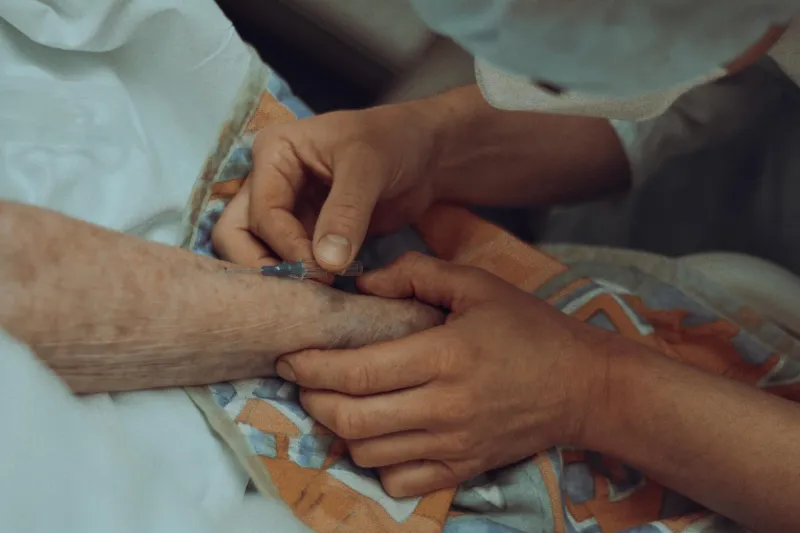
Getting Sick Used to Mean Financial Ruin for Ordinary Americans. Here's How That Changed.

For most of American history, a serious illness wasn't just a medical event — it was a financial catastrophe waiting to happen. There was no employer plan to fall back on, no Medicare safety net, and no guarantee that an emergency room would treat you regardless of your ability to pay. The story of how that changed is one that most Americans have never fully heard.

Before You Could Google Your Symptoms: What Getting Sick Used to Actually Mean
Health

Before You Could Google Your Symptoms: What Getting Sick Used to Actually Mean

Before WebMD, before telehealth, before AI symptom checkers — when something felt wrong, your options were limited, personal, and often surprisingly human. The way Americans navigate illness has been completely transformed in a single generation, and the story is more complicated than it first appears.

Six Figures Used to Mean Something Different: The Quietly Shrinking Power of a $100,000 Income
Finance

Six Figures Used to Mean Something Different: The Quietly Shrinking Power of a $100,000 Income

In 1990, a $100,000 salary was genuinely exceptional — the kind of number that bought a house, put kids through college, and left room to spare. Today, that same figure is a starting point in many American cities, and somehow it doesn't feel like enough. What happened?

Buckle Up — Or Don't: What a Cross-Country Drive Actually Looked Like in 1965
Travel

Buckle Up — Or Don't: What a Cross-Country Drive Actually Looked Like in 1965

Before GPS, before rest-stop lattes, and before anyone legally had to wear a seatbelt, millions of Americans piled into their cars and just... drove. A lot has changed since the golden age of the American road trip — some of it wonderful, some of it quietly terrifying in hindsight.