How different was the world before you arrived?

Then Before Us

How different was the world before you arrived?

Latest Articles

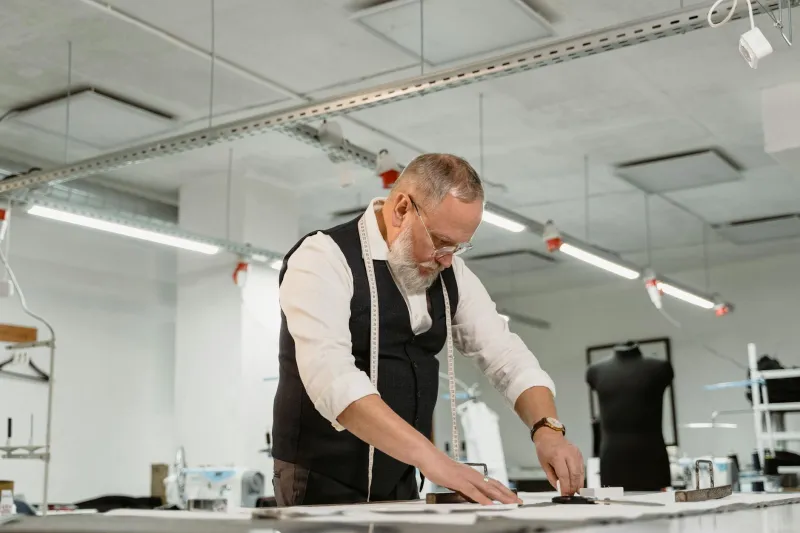
When Your Toaster Broke, the Guy Down the Street Could Fix It in an Hour
Culture

When Your Toaster Broke, the Guy Down the Street Could Fix It in an Hour

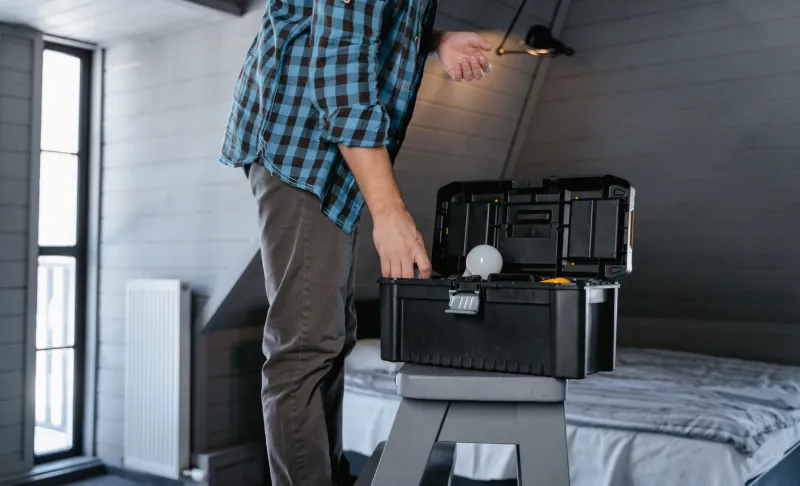
There was a time when a broken appliance meant a quick call to the local repair shop, not a trip to Best Buy. The neighborhood fix-it guy could resurrect almost anything with basic tools and universal parts that actually existed.

When Dialing Area Codes Felt Like Calling Another Planet
Culture

When Dialing Area Codes Felt Like Calling Another Planet

Before unlimited minutes and video calls, a long-distance phone call was a carefully planned event that families budgeted for like a vacation. The emotional weight of hearing a distant voice was matched only by the financial weight of the phone bill that followed.

Your Grandfather Never Worried About Outliving His Money — Here's Why You Do
Finance

Your Grandfather Never Worried About Outliving His Money — Here's Why You Do

For generations, American workers could count on a pension check arriving every month after retirement, guaranteed for life. That promise has quietly disappeared, leaving today's workers to navigate retirement planning alone with nothing but 401(k) statements and crossed fingers.

The $15 Birthday Party That Made Kids Happier Than Today's $500 Extravaganzas
Culture

The $15 Birthday Party That Made Kids Happier Than Today's $500 Extravaganzas

A homemade cake, a few balloons, and pin the tail on the donkey used to be enough to make a kid's birthday unforgettable. Now parents spend hundreds or even thousands trying to recreate that same magic, often with diminishing returns.

When Being Sick Meant Actually Getting Better — Not Checking Email From Bed
Health

When Being Sick Meant Actually Getting Better — Not Checking Email From Bed

Before laptops and smartphones turned every bedroom into a potential office, calling in sick meant something radical: complete disconnection from work. A generation ago, recovery was the only expectation when illness struck.

When Your Career Had an Ending — And You Could Actually Afford to Reach It
Finance

When Your Career Had an Ending — And You Could Actually Afford to Reach It

For decades, American workers could count on a simple equation: work for 30-40 years, retire at 65 with a pension and Social Security, then enjoy your golden years. Today, that finish line keeps moving further away, and millions discover that reaching it requires winning a financial lottery they never knew they were playing.

When September Arrived With Wonder, Not Wi-Fi Passwords
Culture

When September Arrived With Wonder, Not Wi-Fi Passwords

The first day of school once meant mystery and discovery — walking into a classroom with no idea who your teacher would be or what the year would bring. Today's students arrive already knowing their teacher's favorite snacks, classroom layout, and login credentials for six different apps.

The Lost Art of Strategic Communication: When Every Phone Call Was a Calculated Decision
Culture

The Lost Art of Strategic Communication: When Every Phone Call Was a Calculated Decision

Before smartphones made us instantly reachable, calling someone required military-level planning and the patience of a saint. From busy signals that lasted hours to long-distance charges that could bankrupt a teenager, the simple act of making a phone call was once an art form that demanded strategy, timing, and sometimes a little divine intervention.

When Graduation Day Actually Meant Something: How High School Used to Be Your Ticket to the American Dream
Finance

When Graduation Day Actually Meant Something: How High School Used to Be Your Ticket to the American Dream

For decades, walking across that high school stage meant you were ready for the workforce — and the workforce was ready for you. Today, that same diploma barely gets you in the door at most places, while college debt has become the new normal.

When Getting a Haircut Was Cheaper Than Your Morning Latte
Culture

When Getting a Haircut Was Cheaper Than Your Morning Latte

In 1950, a fresh haircut cost just 25 cents and came with a hot towel shave and neighborhood gossip. Today's $45 fade appointments would have seemed like highway robbery to your grandfather.

When a Stamp and a Dream Could Land You a Job: How Americans Used to Apply for Work Before the Internet Changed Everything
Culture

When a Stamp and a Dream Could Land You a Job: How Americans Used to Apply for Work Before the Internet Changed Everything

Before LinkedIn and Indeed transformed job hunting into a digital numbers game, Americans found work through handwritten letters, classified ads, and the bold move of walking into company lobbies unannounced. The personal touch that once defined employment searches has given way to algorithmic screening and online applications that disappear into digital black holes.

When Pizza Night Didn't Require a Monthly Budget Meeting
Finance

When Pizza Night Didn't Require a Monthly Budget Meeting

There was a time when taking the family out for dinner was as spontaneous as deciding what to watch on TV. Today, that same casual restaurant meal requires the kind of financial planning once reserved for buying a car.

When Your Grandmother Mailed $20 Bills to Pay the Electric Company
Finance

When Your Grandmother Mailed $20 Bills to Pay the Electric Company

Before Venmo and wire transfers, Americans routinely stuffed cash into envelopes and trusted the postal service with their most important payments. This system of mailed money powered the economy for decades, requiring patience and faith that seems almost unimaginable today.

When America's Pastime Belonged to Everyone — Not Just the Premium Seats
Culture

When America's Pastime Belonged to Everyone — Not Just the Premium Seats

A family of four could catch a Major League Baseball game, grab hot dogs and sodas, and drive home with change from a twenty-dollar bill. Today, that same outing costs more than most families spend on groceries in a week.

When Breaking Your Arm Didn't Break the Bank: The Era of Affordable Emergency Care
Health

When Breaking Your Arm Didn't Break the Bank: The Era of Affordable Emergency Care

In 1960, a typical emergency room visit cost about $15 — roughly the same as a decent hotel room for the night. Today, that same broken arm could cost you $3,000 before you even see the doctor, transforming medical emergencies from manageable expenses into potential financial disasters.

When Calling in Sick Didn't Require an Excuse: How America Lost the Art of Actually Resting
Health

When Calling in Sick Didn't Require an Excuse: How America Lost the Art of Actually Resting

There was a time when American workers could stay home sick without guilt, documentation, or laptop duty. That era feels like ancient history now, but it wasn't that long ago.

When Letters Were Love: How Americans Once Cherished Friendships One Envelope at a Time
Culture

When Letters Were Love: How Americans Once Cherished Friendships One Envelope at a Time

Before smartphones made staying in touch effortless, maintaining a long-distance friendship was an act of devotion. Americans once poured their hearts into handwritten letters, carefully budgeted for stamps, and waited weeks for replies—turning every piece of mail into a small celebration.

When Learning Something New Meant Getting Your Shoes On
Culture

When Learning Something New Meant Getting Your Shoes On

Before Google existed, satisfying your curiosity required an actual journey — to the library, bookstore, or classroom. The physical effort of learning shaped how deeply Americans engaged with knowledge in ways we're only beginning to understand.

When Every Kid Had a Dentist — And Every Family Could Afford One
Health

When Every Kid Had a Dentist — And Every Family Could Afford One

There was a time when visiting the dentist was as routine as getting your annual physical — and just as affordable. Today, dental care has quietly become one of America's most expensive luxuries, leaving millions with untreated pain and turning a healthy smile into a symbol of economic privilege.

When a Handshake Was Your Mortgage Application: How Buying a Home Used to Work Before Credit Scores Existed
Finance

When a Handshake Was Your Mortgage Application: How Buying a Home Used to Work Before Credit Scores Existed

Before FICO scores and automated underwriting, getting a home loan meant sitting across from your local banker and proving your worth through reputation and relationships. The deeply personal — and often deeply biased — world of mid-century mortgage lending reveals how dramatically home financing has transformed.