When Your Street Knew Everything — And That Was Actually a Good Thing
In today's world, the phrase "the neighbors know your business" carries an unmistakably negative connotation. It suggests nosiness, gossip, and invasion of privacy. But there was a time in American neighborhoods when knowing your neighbors' business wasn't about gathering ammunition for social media drama — it was about creating an invisible safety net that caught people when they fell.
The Accidental Surveillance State
Fifty years ago, American neighborhoods operated on what sociologists now call "natural surveillance" — not the technological kind involving cameras and motion sensors, but the organic awareness that comes from people simply living their lives in proximity to each other. Mrs. Chen noticed when the Johnsons' teenage son started coming home later than usual. Mr. Rodriguez could tell you exactly which days the elderly widow across the street forgot to bring in her trash cans. The retired couple next door knew the precise schedule of every delivery truck, mail carrier, and repair service that visited the block.
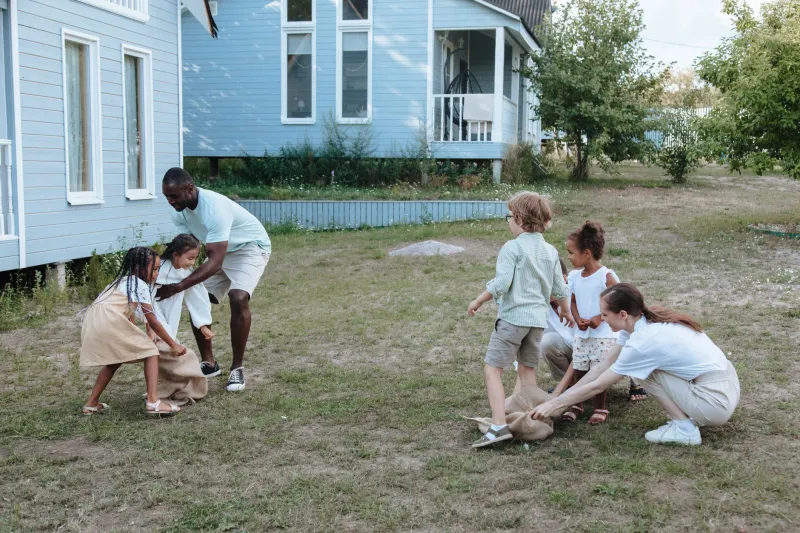
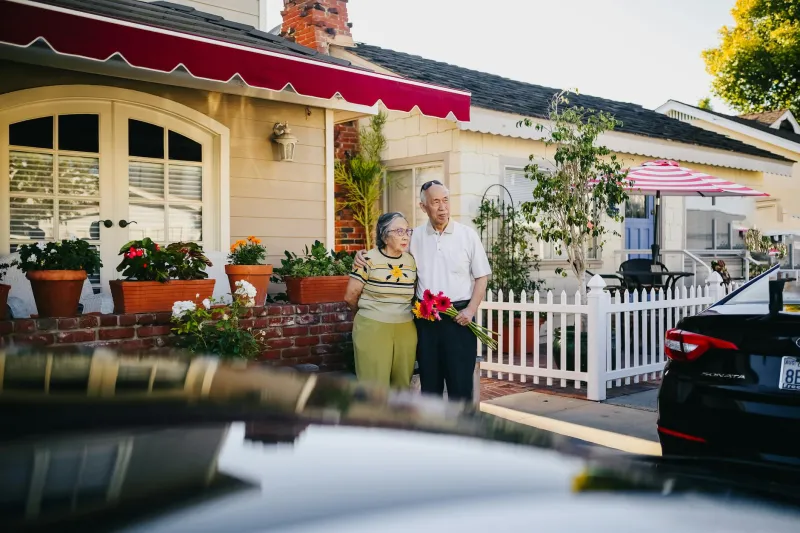
This wasn't nosiness in the modern sense — it was the byproduct of a lifestyle where people spent time in their front yards, walked to the corner store, and conducted daily life in view of their neighbors. Porches served as observation decks where residents could water plants, sort mail, and incidentally monitor the rhythm of their street. Kitchen windows faced the right direction to notice unusual activity. Evening walks weren't exercise routines tracked by fitness apps — they were social patrols that ensured everyone was accounted for.
The Early Warning System
This informal network caught problems with remarkable efficiency. When Mr. Patterson's newspaper sat uncollected for two days, it wasn't because his neighbors were tracking his reading habits — it was because they'd unconsciously noted the break in routine. That observation led to a welfare check that found him recovering from a fall, too proud to ask for help but grateful when it arrived.
The system worked because it was based on patterns, not events. Neighbors didn't need to know the details of your life; they just needed to know your normal rhythm. The teacher who usually left for work at 7:15 sharp. The retiree who walked his dog at exactly 6 AM and 4 PM. The family whose lights followed a predictable evening schedule. When patterns changed, people noticed — and more importantly, they acted.
This organic awareness caught everything from medical emergencies to domestic problems to financial struggles. The neighbor who stopped maintaining his lawn might be dealing with depression or job loss. The family whose lights stayed on all night might be managing a sick child or marital problems. The elderly resident whose routine became increasingly erratic might need family intervention or medical attention.
Beyond Emergency Response
The neighborhood knowledge network served functions that went far beyond crisis management. It was an economic safety net that operated through casual reciprocity and informal job referrals. When the Hendersons needed someone to watch their kids, they didn't consult Nextdoor or Care.com — they asked the retired teacher three houses down who'd been observing their family routine and already knew the children's personalities and schedules.
Job opportunities spread through these networks with remarkable efficiency. The factory worker who heard about openings at his plant would naturally think of his unemployed neighbor. The secretary who knew about part-time positions would mention them to the mother looking to re-enter the workforce. These weren't formal networking events — they were the natural result of people who knew each other's circumstances and capabilities.
Social problems that might fester in today's anonymous neighborhoods were addressed through gentle intervention. The teenager showing signs of trouble didn't just worry his own parents — he became the concern of adults throughout the neighborhood who felt some responsibility for all the local children. The elderly resident struggling with yard work didn't need to hire a service — neighbors would simply start including his property in their weekend maintenance routines.
The Infrastructure of Caring
What made this system work wasn't just proximity — it was a shared understanding about community responsibility. People felt obligated to pay attention to their neighbors not because they were nosy, but because they understood that everyone's wellbeing was interconnected. The neighborhood's safety and stability depended on everyone looking out for everyone else.
This obligation came with its own social contracts. You watched out for your neighbors, but you also respected boundaries about when to intervene and when to simply observe. You shared information that might help someone, but you didn't spread gossip for entertainment. You offered help when patterns suggested it was needed, but you didn't push assistance on people who preferred independence.
The physical design of neighborhoods supported this social infrastructure. Houses were closer together, with smaller front yards that encouraged interaction. Sidewalks connected homes to shared spaces like corner stores, schools, and parks. Daily errands required walking through the neighborhood, creating natural opportunities for observation and conversation.
The Digital Replacement That Isn't
Today's neighborhoods attempt to recreate this awareness through technology, but the results feel fundamentally different. Ring doorbell networks provide surveillance without relationship. Nextdoor apps facilitate information sharing without genuine familiarity. Social media groups allow neighbors to communicate without actually knowing each other.
These digital tools can be effective for certain functions — alerting neighbors about package theft, organizing block parties, sharing recommendations for local services. But they can't replicate the subtle, continuous awareness that came from people simply living their lives in sight of each other. A Ring camera might catch someone falling on your front steps, but it won't notice the gradual changes in behavior that suggest someone is struggling with depression or financial problems.
Modern surveillance provides data without context. It can tell you exactly when your neighbor's car left the driveway, but it can't tell you whether that departure seemed rushed or relaxed, whether it was part of a normal routine or a break from usual patterns. It records events but misses the human intuition that once turned observations into appropriate action.
What Privacy Cost Us
The shift toward privacy and anonymity in American neighborhoods wasn't entirely negative. It freed people from oppressive social conformity, reduced judgment about lifestyle choices, and allowed families to manage their problems without unwanted interference. The ability to live your life without constant observation from neighbors has genuine value, especially for people whose choices or circumstances don't fit traditional community norms.
But the pendulum may have swung too far in the opposite direction. In gaining privacy, we lost the safety net that informal neighborhood awareness provided. The elderly person who dies alone in their house and isn't discovered for weeks. The family struggling with domestic violence behind closed doors. The teenager spiraling into addiction while his parents work long hours and neighbors mind their own business.
These tragedies don't happen because people don't care — they happen because we've lost the systems that once made caring actionable. We've replaced community awareness with professional services, informal support networks with formal institutions, and neighborly concern with respect for privacy.
The Impossible Return
We can't simply return to the neighborhood surveillance systems of previous generations. American society has changed too fundamentally — families are more mobile, work schedules are more varied, and cultural diversity means we can't assume shared values about community responsibility. The informal social contracts that once governed neighborhood awareness would be difficult to recreate in communities where people might not share language, culture, or basic assumptions about privacy and intervention.
But we might be able to recover some of what was lost by being more intentional about community building. The neighbors who organize regular block parties aren't just planning social events — they're creating opportunities for the kind of familiarity that makes people notice when something's wrong. The residents who make a point of walking their neighborhoods aren't just exercising — they're maintaining the visual awareness that once happened naturally.
The Safety Net We Built Without Meaning To
The neighborhood knowledge networks of previous generations weren't designed by social workers or community planners — they emerged organically from the simple fact that people lived close together and paid attention to their surroundings. That attention created an infrastructure of caring that caught problems early, supported families in crisis, and maintained community stability without formal programs or professional intervention.
Today's neighborhoods, for all their privacy and convenience, lack this essential infrastructure. We've gained individual autonomy but lost collective security. We've protected ourselves from unwanted scrutiny but also from the kind of community support that once helped people weather life's inevitable storms.
The challenge isn't returning to a past that may have been more intrusive than we'd now accept — it's figuring out how to recreate the benefits of community awareness while respecting modern values about privacy and autonomy. Because somewhere between knowing everything about your neighbors and knowing nothing about them lies the sweet spot where communities actually function as communities.