When Your Neighbor's Toolbox Was Better Than Any Contractor
When Your Neighbor's Toolbox Was Better Than Any Contractor
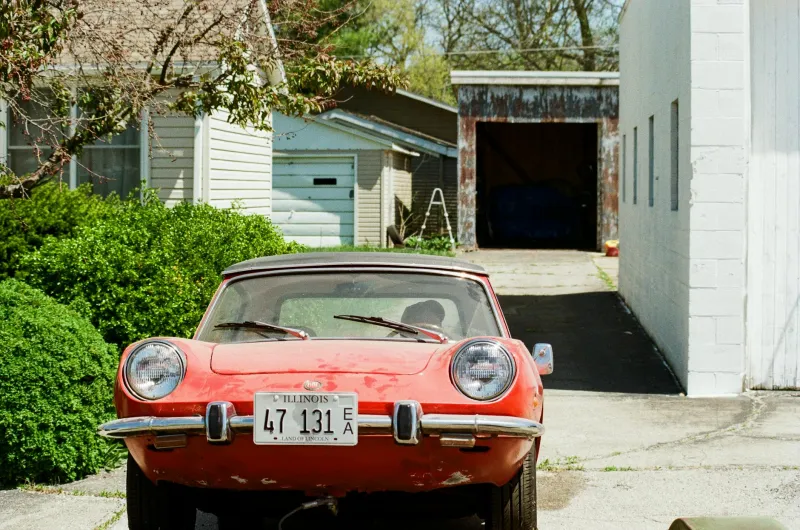
Walk through any American suburb today, and you'll notice something peculiar: perfectly manicured lawns, pristine driveways, and garages that look more like storage units than workshops. Missing are the sounds that once defined weekends — the rhythmic hammering from the Johnson's backyard, the buzz of Mr. Peterson's circular saw, or the cheerful cursing echoing from beneath someone's car hood.
The Neighborhood Fix-It Network
Fifty years ago, every block had its unofficial repair ecosystem. There was always someone who "knew a guy" or, more often, was that guy himself. Bob down the street could rewire a lamp, fix a leaky pipe, and tune your carburetor — often in the same Saturday afternoon. These weren't licensed professionals; they were neighbors who'd picked up skills through necessity, curiosity, and the simple fact that calling a repair service meant waiting weeks and paying what felt like a fortune.
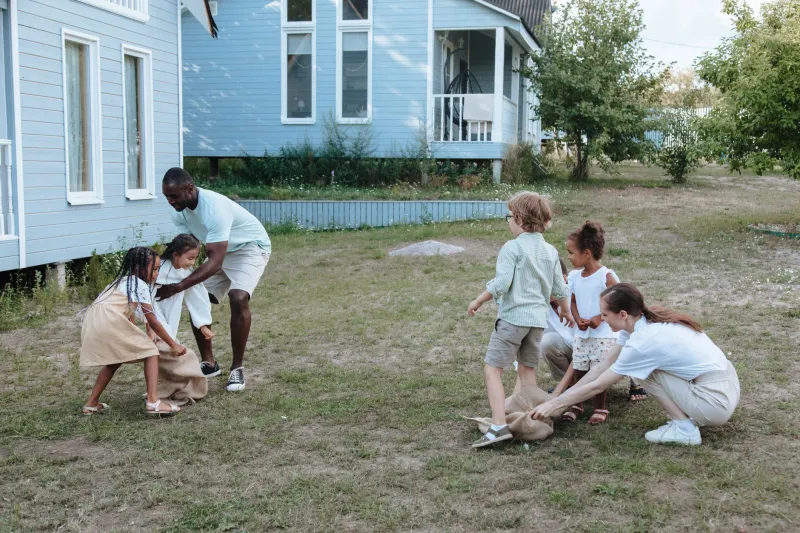
The beauty of this system wasn't just its convenience. It was built on genuine reciprocity. You helped Bob move his couch last month, so he'd spend an hour diagnosing why your washing machine was making that weird noise. Your wife's famous apple pie might be payment enough for fixing a squeaky door. This wasn't barter for the sake of being quaint — it was how communities actually functioned.
When Everyone Was Expected to Know Something
Mid-century American culture assumed a baseline level of mechanical competency that seems almost foreign today. High schools offered shop class as standard curriculum, not an elective. Fathers passed down not just tools but the expectation that you'd figure out how to use them. The local hardware store wasn't just a retail outlet — it was an informal university where old-timers would diagnose your problem and walk you through the solution.
This wasn't about being particularly handy or mechanically gifted. It was about living in a world where things were designed to be fixable by regular people. Appliances came with actual repair manuals, not just warranty cards. Cars had engines you could see and understand. Houses were built with standard lumber and straightforward electrical systems that didn't require specialized knowledge to modify.
The Rise of the Professional Everything
Sometime between then and now, America professionalized every aspect of home maintenance. What started as reasonable safety regulations — ensuring electrical work met code, requiring permits for major renovations — gradually expanded into a system where changing a light fixture technically requires a licensed electrician in some municipalities.
Insurance companies accelerated this shift. Liability concerns meant that the informal handshake agreements that once governed neighborhood help became potential lawsuits. Homeowners' policies began excluding damage from "unlicensed" repairs, even if your neighbor had been successfully fixing things for decades.
The internet promised to democratize repair knowledge, but it actually had the opposite effect. Instead of learning from the guy next door, we learned to Google our problems — which inevitably led to forum posts warning about the dangers of DIY repair and recommending we "call a professional." YouTube tutorials exist, but they can't hand you the right wrench or reassure you that yes, it's supposed to make that noise.
The $200 Minimum and What It Really Costs
Today's service call economics would have seemed absurd to previous generations. A plumber charges $150 just to walk through your door, before even looking at the problem. An electrician's minimum service fee could buy a decent weekend vacation in 1975. What once cost a six-pack and a thank-you now requires scheduling, insurance verification, and payment plans.
But the real cost isn't financial — it's cultural. We've traded self-reliance for specialization, and community interdependence for professional services. The neighbor who once knew how to fix your garbage disposal now hires someone to change his air filter. Skills that were once considered basic adult competencies are now specialized trades.
The Tools That Gather Dust
Peer into most American garages today, and you'll find an interesting paradox: more tools than ever before, but less actual repair happening. Home improvement stores sell more power tools than previous generations could have imagined, but most of them are used for weekend projects, not daily maintenance. We buy the equipment but not the confidence to actually fix things when they break.
The irony is that today's tools are often better than what our grandfathers had access to. Cordless drills that would have seemed like science fiction. Diagnostic equipment that can pinpoint problems with surgical precision. YouTube videos that can walk you through any repair. Yet we're more dependent on professional services than ever.
What We Lost Along the Way
The shift from neighborhood repair networks to professional service calls represents more than just economic change — it's a fundamental alteration in how communities function. When your neighbor fixed your lawnmower, you learned something about small engines and something about reciprocity. When the guy three doors down helped you install a ceiling fan, you both gained confidence that maybe you could tackle the next project yourself.
Those interactions built more than just repair skills. They built relationships, trust, and the kind of casual interdependence that made neighborhoods feel like communities rather than just collections of houses. The handyman with the truck wasn't just providing a service — he was maintaining the social fabric that held the block together.
Today's professional repair culture, for all its expertise and reliability, can't replicate that social function. Your HVAC technician might be more qualified than Bob from down the street ever was, but he's not going to help you move next weekend or check on your house while you're on vacation.
The Price of Perfection
Perhaps what we've really lost is comfort with imperfection. The neighbor's repair job might not have been as elegant as a professional's, but it worked, it was immediate, and it came with a story. Today's professional repairs are undoubtedly better — more reliable, up to code, properly insured. But they've also removed the human element that once made fixing things a community activity rather than a consumer transaction.
The $200 minimum service call represents more than inflation or increased labor costs. It's the price we pay for living in a world where expertise has become so specialized that basic competence feels impossible, and where liability concerns have made neighborly help feel too risky to offer or accept.