The Summer That Lasted Forever — Before Parents Became Activity Directors
If you close your eyes and think about summer as a kid, what do you remember? If you're over forty, chances are you recall the delicious agony of truly being bored, the triumph of building something elaborate out of nothing, and the way three months could feel like three years in the best possible way. If you're under thirty, you probably remember which camp you attended, what enrichment activities filled your schedule, and how quickly August arrived before you'd accomplished everything on your summer reading list.
When Summer Meant Actually Stopping
For most of American history, summer vacation served a clear purpose: kids helped with farm work, families escaped the heat of non-air-conditioned cities, and everyone understood that learning happened differently when school wasn't in session. But even as America urbanized and fewer families farmed, summer retained its essential character — it was time outside the normal rhythm of structured life.
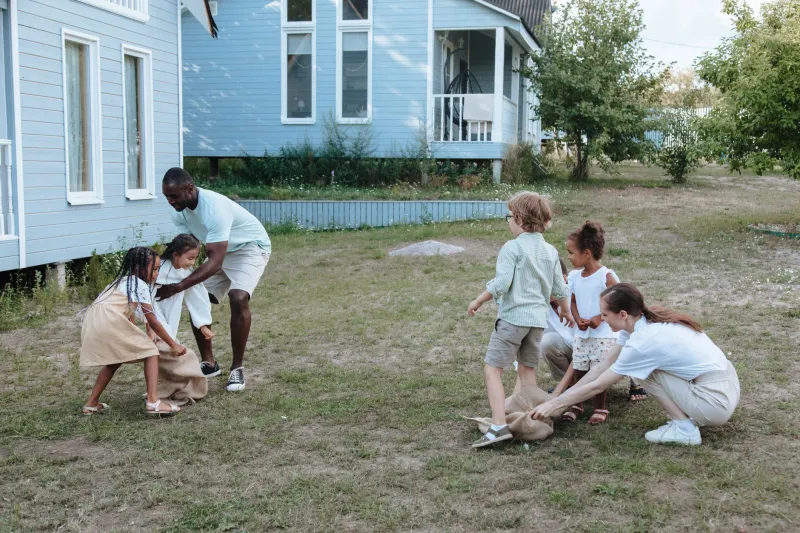
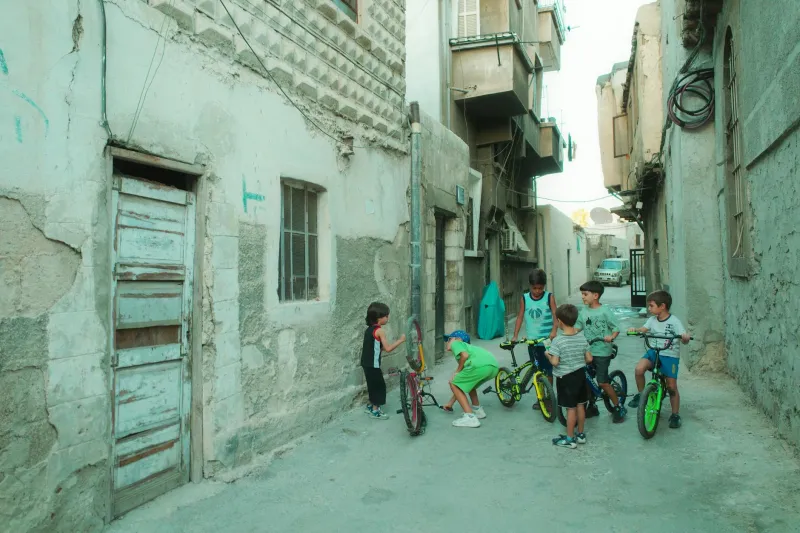
Children would wake up without alarms, eat breakfast whenever they wandered into the kitchen, and then simply... disappear. Parents didn't track their movements with GPS or schedule their activities with military precision. The expectation was that kids would figure out how to fill their days, and somehow, miraculously, they did.
This wasn't neglect — it was trust. Trust that children could navigate their neighborhoods safely, trust that they could resolve conflicts without adult mediation, and trust that unstructured time would teach them things no curriculum could cover.
The Art of Making Something From Nothing
Without camps, classes, or carefully curated activities, kids became remarkably creative. Empty lots became kingdoms. Cardboard boxes became spaceships. Garden hoses became entertainment systems that could occupy entire afternoons. The phrase "I'm bored" wasn't met with a list of suggested activities — it was met with "go find something to do," and somehow, kids always did.
Neighborhood games evolved with the complexity of small civilizations. Elaborate rules for hide-and-seek that accounted for every yard, garage, and shed. Bike races with courses that spanned multiple blocks. Trading systems for baseball cards, comic books, or whatever had captured that summer's collective imagination.
These weren't activities designed by child development experts or recommended by educational consultants. They were organic, kid-driven, and changed constantly based on who was around, what materials were available, and whatever struck the group's fancy that particular day.
When Parental Supervision Was Benign Neglect
Previous generations of American parents operated under a fundamentally different philosophy about childhood supervision. Children were expected to be independent, resourceful, and capable of entertaining themselves for hours without adult intervention. This wasn't because parents cared less — it was because they believed children needed space to develop these skills.
Mothers would send kids outside after breakfast with instructions to "be back for lunch" and genuinely not worry about what they were doing for the next four hours. Fathers would return from work to find elaborate fort constructions in the backyard and be impressed rather than concerned about safety regulations or property damage.
The neighborhood itself served as a collective supervision system. Mrs. Henderson might yell at you for cutting through her flower garden, but she'd also make sure you got home safely if you scraped your knee. Mr. Johnson would chase you away from his prize tomatoes but would also help you retrieve a ball from his roof. Adults were present and engaged, but they weren't orchestrating every moment of childhood experience.
The Rise of Enrichment Culture
Somewhere along the way, American parents began to view unstructured time as wasted time. Summer vacation transformed from a break from learning into an intensive period of specialized learning. Art camps, sports camps, STEM camps, leadership camps — the options multiplied until summer became more scheduled than the regular school year.
This shift reflected changing ideas about childhood development, economic anxiety about future competitiveness, and genuine parental love expressed through providing opportunities. But it also reflected a loss of faith in children's ability to learn and grow without constant adult guidance.
The modern summer schedule reads like a corporate calendar: swim lessons at 9, art camp from 10-2, soccer practice at 4, family dinner at 6, supervised homework time at 7. Every hour accounted for, every activity chosen for its developmental benefit, every moment optimized for growth.
The Anxiety Behind the Activities
Today's heavily structured summers aren't just about providing enrichment — they're about managing parental anxiety. The same neighborhoods that once felt safe enough for unsupervised exploration now feel too dangerous for children to navigate alone. The same communities that once collectively watched over all the local kids now operate under the assumption that constant vigilance is required.
This anxiety isn't entirely unfounded. Traffic patterns have changed, stranger danger awareness has increased, and the informal neighborhood networks that once provided natural supervision have weakened. But the response — total adult management of children's time — has created its own problems.
What We Gained and What We Lost
Modern summer activities undoubtedly provide benefits that unstructured time cannot. Professional instruction in sports, arts, and academics gives children skills and opportunities that previous generations couldn't access. Diverse camp experiences expose kids to activities and perspectives their neighborhoods might not provide. Structured programs ensure that all children, regardless of family circumstances, have access to enriching experiences.
But something essential has been lost in the translation. The ability to be genuinely bored and work through that boredom creatively. The confidence that comes from solving problems without adult help. The deep satisfaction of mastering something purely for the joy of mastering it, without grades or evaluations or college application potential.
Perhaps most importantly, we've lost the experience of time feeling elastic and infinite. When summer was unstructured, it felt endless in the way that only childhood can. Days stretched luxuriously, and the season felt like its own complete world rather than just a break between school years.
The Freedom We Can't Schedule
The irony of modern summer programming is that in trying to give children everything, we may have taken away the one thing they needed most: the freedom to discover what they actually want. When every hour is planned and every activity is chosen by adults, children never get the chance to learn what genuinely interests them versus what they're supposed to be interested in.
The kid who spent an entire summer obsessed with catching fireflies might grow up to be an entomologist. The one who built elaborate stick forts might become an architect. The one who organized neighborhood baseball leagues might discover a talent for leadership. But these discoveries can only happen when children have the time and space to follow their own curiosity rather than adult-designed curricula.
The Long Shadow of Structured Summers
As those heavily scheduled children grow into adults, we're beginning to see the long-term effects of summers without downtime. Young people who struggle with unstructured time, who feel anxious when they don't have a clear agenda, who've never learned to entertain themselves or sit comfortably with boredom.
The generation that grew up with every summer hour planned is now entering the workforce and discovering that creativity, problem-solving, and self-direction — the very skills that unstructured summers once taught — are exactly what employers value most.
Perhaps the greatest gift previous generations gave their children wasn't the perfect summer experience, but the imperfect freedom to create their own.