The Year You Could Study What You Loved — Without Betting Your Financial Future on It
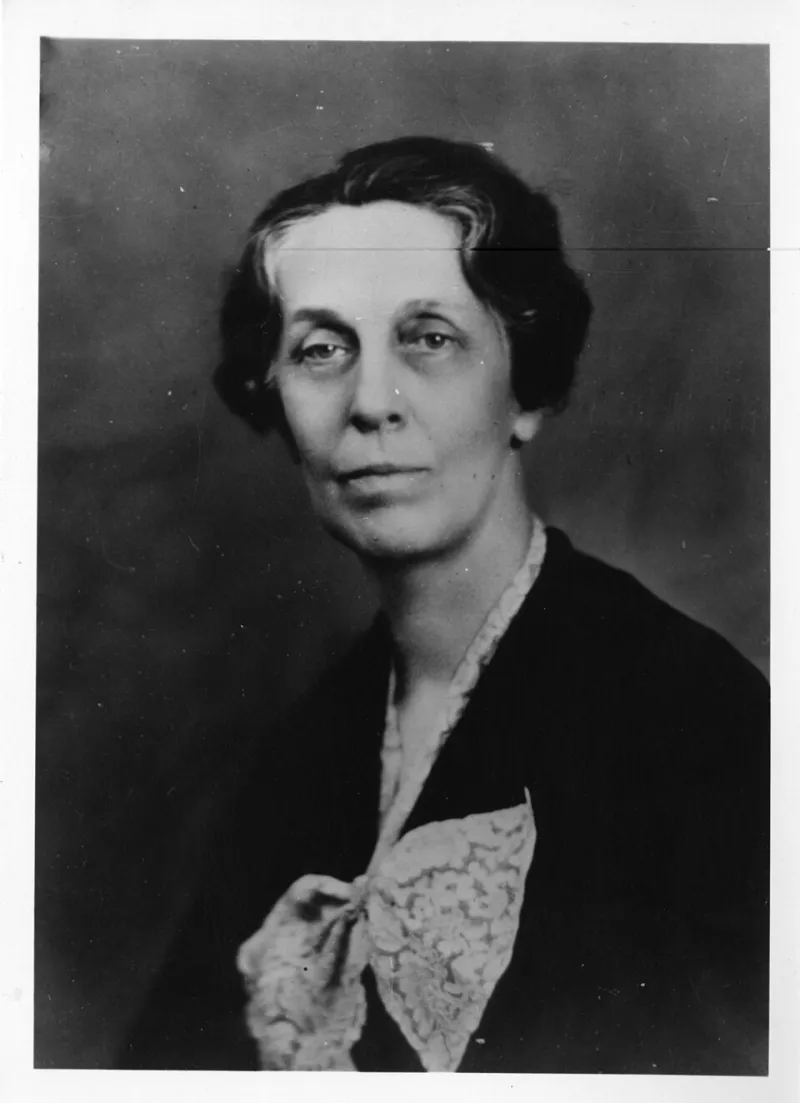
Photo: Smithsonian Institution, No restrictions, via Wikimedia Commons
Freshman Year, 1971
Somewhere in America, an eighteen-year-old named Paul enrolled at a state university in the fall of 1971 and declared a major in philosophy. His parents weren't thrilled — but they weren't panicked, either. Tuition at most public universities that year ran somewhere between $400 and $700 annually. Even adjusting for inflation, that's a fraction of what students pay today. Paul could change his mind sophomore year, switch to history, take a fifth year to figure things out, and graduate with debt so manageable it barely registered.
That version of college is almost impossible to describe to a student making enrollment decisions today. Not because the academic experience was so different — the classes, the professors, the late-night conversations in dorm rooms — but because the financial stakes were almost incomparably lower.
When Tuition Was Just a Fee, Not a Defining Life Commitment
Through much of the 1960s and 1970s, public higher education in America operated on an implicit social contract: states heavily subsidized their universities, keeping tuition low enough that a summer job could make a meaningful dent in the annual bill. The University of California system was famously free for in-state students through most of the 1960s. The City University of New York charged no tuition until 1976.
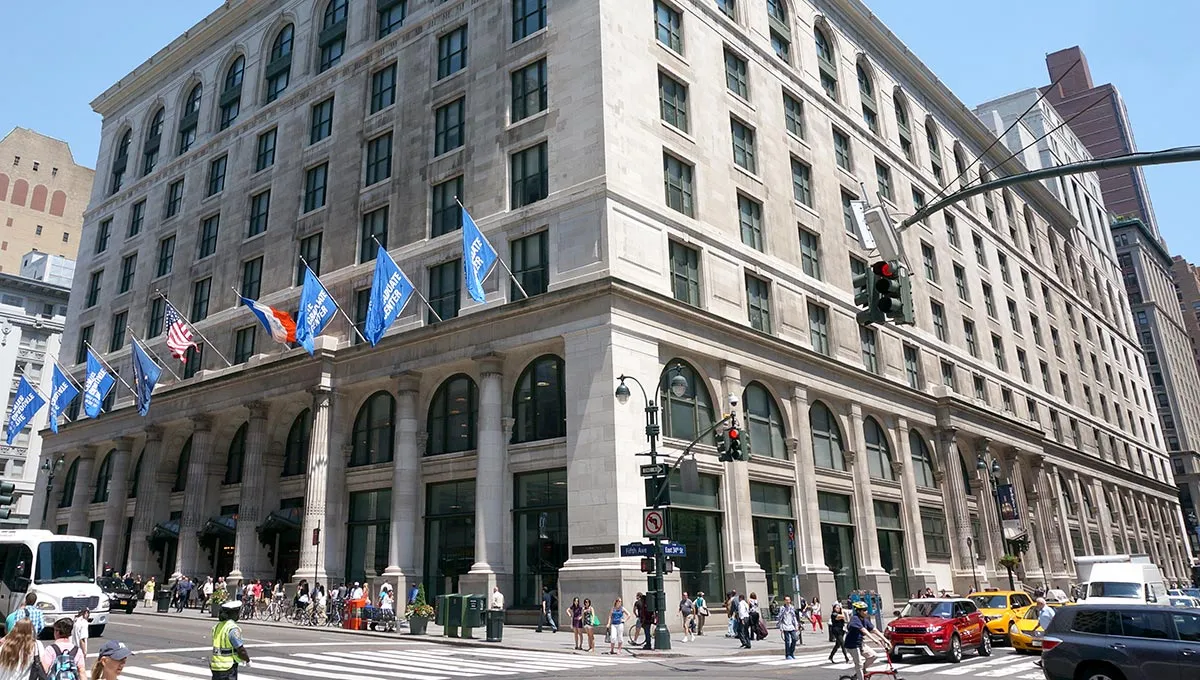 Photo: City University of New York, via www.amnh.org
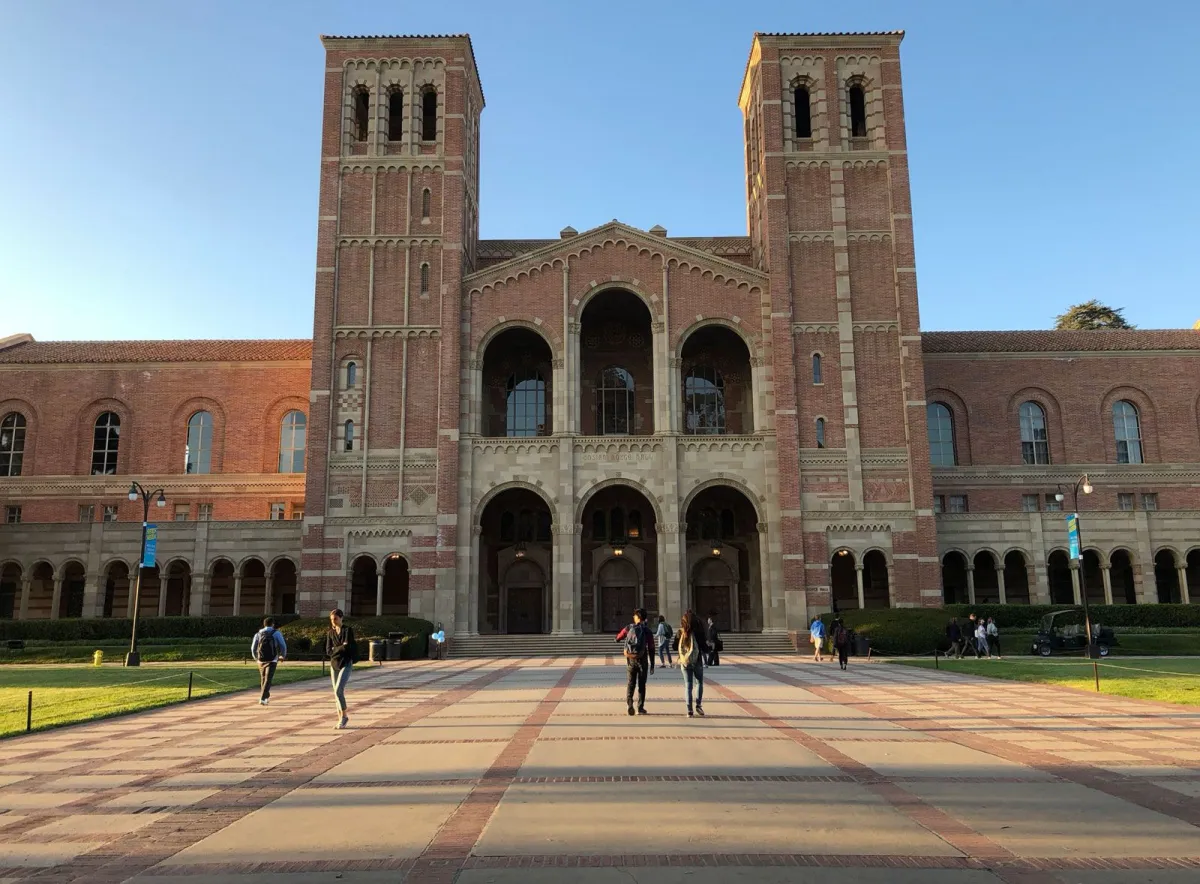 Photo: University of California, via cdn.britannica.com
Private universities cost more, of course, but even there the numbers were different in kind, not just degree. Harvard's tuition in 1970 was around $2,600 per year — roughly $20,000 in today's dollars. Today it lists at over $59,000, before fees and housing push the total cost of attendance past $80,000 annually.
What that gap means in practice is enormous. In 1971, picking the wrong major was an inconvenience. Today, it can mean an extra $30,000 to $60,000 in debt if you need an extra year, a second degree, or a costly pivot into graduate school to correct course.
The Eighteen-Year-Old Financial Strategist
Here's what we quietly ask of college students now that we never used to: make a high-stakes financial bet on your own interests, aptitudes, and the future labor market — all before you've held a single full-time job.
The conversations happening in high school guidance counselors' offices today would be unrecognizable to a student from 1970. Return on investment. Salary-to-debt ratios. Employment outcomes by major. These are the frameworks students are now handed as they try to figure out what they want to study for four years. It's not irrational — when you're looking at $50,000 in debt, you'd better think carefully. But it's also a profound distortion of what a university education was supposed to be.
The liberal arts have taken the most visible hit. Enrollment in humanities majors has dropped sharply over the past two decades, with English, history, and philosophy programs shrinking at universities across the country. Students aren't suddenly less curious about those subjects — they're rationally responding to a cost structure that makes intellectual exploration feel financially reckless.
The Pivot That Used to Be Free
One of the quieter losses in the modern college experience is the freedom to be wrong. In the early 1970s, changing your major three times wasn't a financial catastrophe — it was just college. Taking an extra semester to find your footing didn't mean adding tens of thousands of dollars to a loan balance that would follow you into your thirties.
Today, every detour has a price tag attached. Switching from pre-med to English literature junior year isn't just an academic decision — it's a financial one with downstream consequences for loan repayment timelines, career trajectories, and sometimes housing and family decisions years later. The freedom to explore, experiment, and occasionally get things wrong — that's what the old tuition structure quietly protected.
How We Got Here
The transformation wasn't sudden. State funding for public universities began declining in the 1980s as budget priorities shifted, and institutions gradually passed the cost onto students. Federal student loan programs, designed to increase access, had the unintended effect of enabling tuition increases — schools raised prices partly because the money was available to borrow. The cycle fed itself across four decades.
By 2024, Americans collectively hold over $1.7 trillion in student loan debt. The average borrower carries a balance around $37,000. For graduate and professional degree holders, the numbers are far higher.
A Different Kind of Education
None of this means college was perfect before the cost explosion. Access was far more limited by race, gender, and geography than it should have been. The campuses of 1968 had serious problems that needed addressing.
But there was something worth preserving in the idea that a young person could walk into a university genuinely open to discovery — could study what fascinated them, change direction when something else captured their attention, and graduate into adulthood without a financial anchor attached to every decision they'd made at eighteen.
Before you arrived, college was expensive. It just wasn't this kind of expensive. And that difference changed everything about what the experience was allowed to mean.