The Campus Store Used to Be an Afterthought — Now It's Another Bill You Can't Ignore
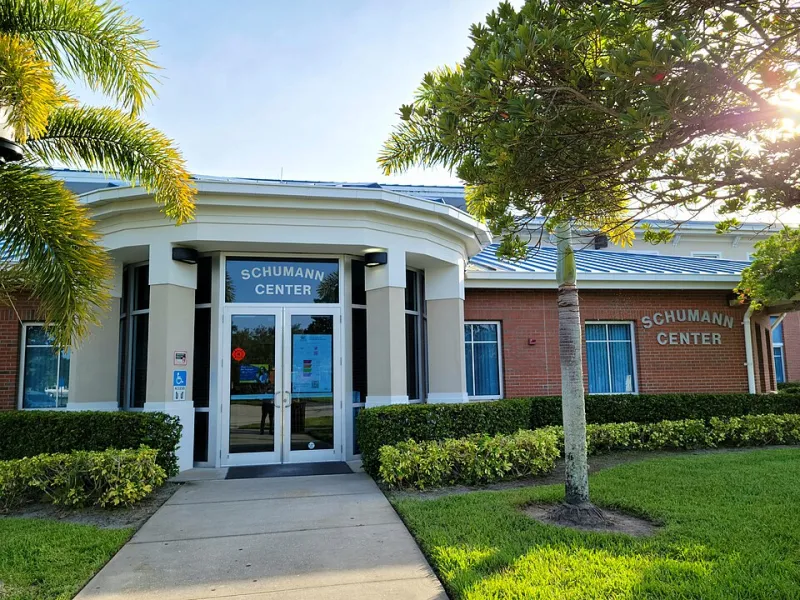
Photo: GreaterPonce665, CC BY-SA 4.0, via Wikimedia Commons
The Campus Store Used to Be an Afterthought — Now It's Another Bill You Can't Ignore
There's a particular kind of sticker shock that college students have experienced for decades — the moment you walk into the campus bookstore and see the price tag on the required textbook for your intro economics class. But here's what's easy to forget: that shock is relatively new. For most of the twentieth century, the stuff surrounding a college education — the gear, the books, the little extras — was genuinely affordable. The campus store was an afterthought, not a budget line item.
Today, the peripheral costs of higher education have quietly grown into a financial story of their own, one that rarely gets told alongside the bigger headlines about tuition and student loan debt.
What a College Sweatshirt Used to Cost
In 1975, a crewneck sweatshirt from your university bookstore would have set you back somewhere between $6 and $10. That's roughly $32 to $54 in today's dollars when you adjust for inflation. Comfortable, logo'd, and built to last — it was the kind of thing you bought once and wore for a decade.
Today, the equivalent item at most university bookstores runs between $55 and $85 for a basic crewneck. Step up to a hoodie from one of the licensed collegiate apparel brands that now dominate campus retail, and you're looking at $75 to $120 before tax. Some flagship university stores sell branded quarter-zips for $95 and above.
That's not simply inflation at work. That's a structural shift in how college merchandise is produced, licensed, and marketed. Universities now earn significant royalties from licensed apparel deals with companies like Nike, Under Armour, and Champion. The sweatshirt that used to be made in a domestic factory and sold through the campus store is now a branded product in a national retail ecosystem — and students pay for the privilege of wearing their school's logo.
The Textbook Story Is Even Worse
If the sweatshirt comparison is surprising, the textbook comparison is genuinely alarming.
In 1970, a typical college textbook cost between $5 and $10. By 1980, that range had climbed to $15 to $25. Adjusted for general inflation, a $10 textbook from 1970 should cost around $78 today. Reasonable, right?
Except the average college textbook now retails for between $150 and $200. Some upper-level science and medical texts run $300 to $400. The American Enterprise Institute has tracked textbook price inflation separately from general consumer prices for years, and the numbers are stark: textbook costs have risen over 1,000% since 1977 — more than four times the rate of general inflation, and faster even than healthcare costs or housing.
 Photo: American Enterprise Institute, via solutions2024.pgpf.org
The reasons are layered. Publishers release new editions every few years, often with minimal substantive changes, specifically to neutralize the used-book market. Access codes — required for online homework platforms that accompany many textbooks — expire after one semester, making used copies functionally worthless. Some courses now bundle digital access directly into tuition through "inclusive access" programs, which sounds helpful until you realize students often can't opt out even if they'd prefer to buy used.
A full semester's textbooks for a typical freshman in the early 1970s might have cost $40 to $60 total. Today, the National Association of College Stores estimates students spend an average of $500 to $700 on course materials per academic year — and that figure is likely conservative for students in science, business, or pre-med tracks.
The Smaller Costs That Add Up
Beyond sweatshirts and textbooks, the everyday expenses of campus life have followed a similar upward trajectory.
A spiral notebook that cost 25 cents in 1972 costs $1.50 to $3 today — which tracks roughly with inflation. But a graphing calculator required for most STEM courses? In 1990, the TI-81 launched at $110. The TI-84 Plus, which remains a required item on countless college syllabi in 2024, retails for $119 — barely changed in nominal price, which means it's dramatically cheaper in real terms. That's one of the few genuine wins.
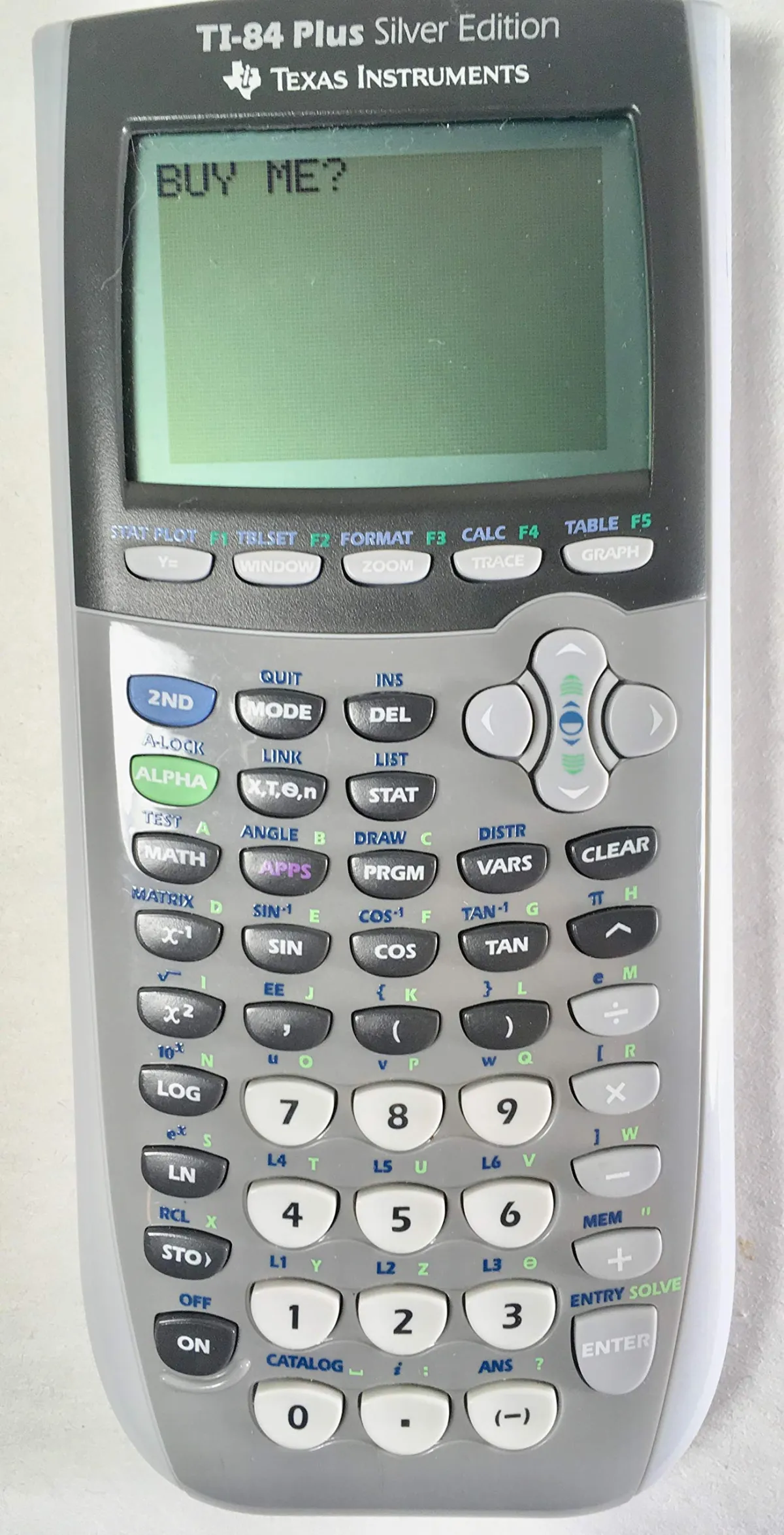 Photo: TI-84 Plus, via m.media-amazon.com
Everywhere else, the math is less friendly. Parking permits at large state universities now run $300 to $600 per year. Campus printing fees, lab fees, technology fees, and activity fees — line items that barely existed in the 1970s — now add hundreds of dollars to the annual cost of attendance at many schools. A student ID that once got you into the library now comes bundled with mandatory fees for services you may never use.
Even the meal plan, once a straightforward flat rate for cafeteria access, has evolved into a tiered system of declining balances, dining dollars, and flex points — engineered, critics argue, to be slightly harder to fully use than it appears on paper.
Why This Part of the Story Matters
It's easy for the conversation about college costs to stay focused on the big number: tuition. And tuition absolutely deserves the scrutiny it gets. But the accumulation of smaller costs — the books, the gear, the fees, the supplies — represents a kind of financial pressure that's harder to see clearly and harder to plan for.
For a family stretching to send the first member of their household to college, these peripheral costs aren't trivial. They're the difference between a student who can focus on their studies and one who's working 25 hours a week to cover expenses their financial aid package never anticipated.
Your grandparents didn't think twice about buying a university sweatshirt. It was a small, happy purchase — a piece of pride that cost less than a night out. The fact that it now requires a moment of deliberation says something quiet and important about how much the landscape has shifted, even in the corners of college life we tend to overlook.