Two Lanes, One Map, and No Idea Where the Nearest Motel Was — The Road Trip Before the Interstate
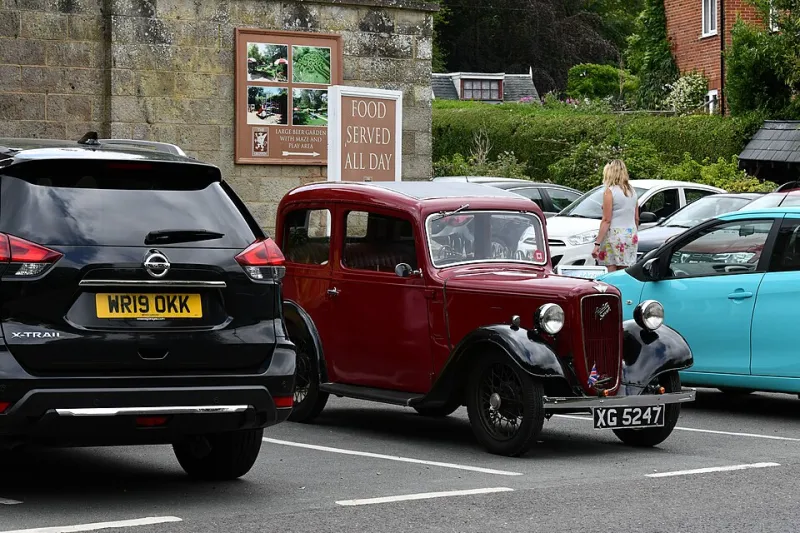
Photo: Michael Garlick , CC BY-SA 2.0, via Wikimedia Commons
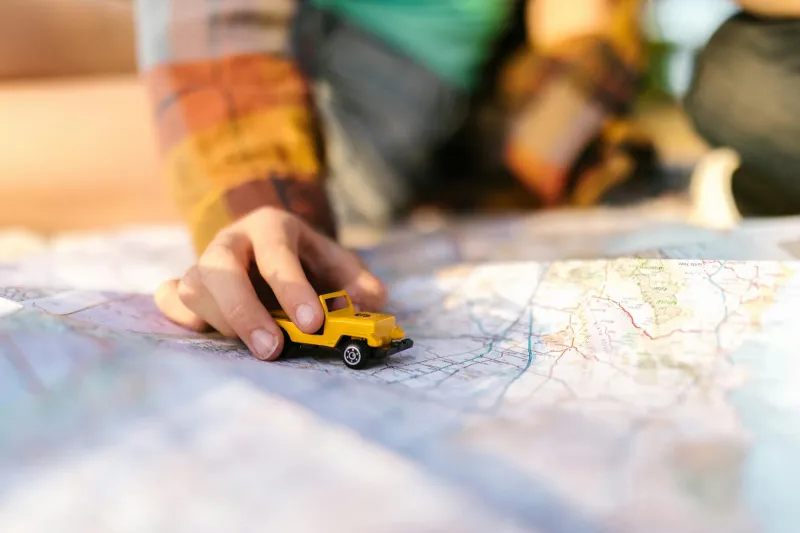
Picture loading the family station wagon in 1958. No phone mounted on the dash. No app telling you there's a McDonald's exit in eleven miles. Just a gas-station road atlas — maybe a single state map, free from the welcome center — and a vague hope that Dad's sense of direction would hold until sundown.
That was the American road trip before President Eisenhower signed the Interstate Highway Act. And honestly? It barely resembles what we do today.
The Two-Lane Era
Before the interstates stitched the country together, the main drag across America was often a single lane each way — think Route 66, or the Lincoln Highway before it. You shared the road with grain trucks, Greyhound buses, and every other family making the same pilgrimage. You passed when you dared. You didn't when you didn't.
Speed was a rumor. Covering 300 miles in a day was a genuinely good day. A drive from Chicago to Los Angeles wasn't a long weekend — it was a multi-day expedition, planned like one, with overnight stops circled on the map in pencil.
And here's the part modern travelers would find genuinely alarming: nobody knew what was ahead. No reviews. No star ratings. The motel at the next town might be charming or might have a mattress with opinions. You found out when you got there.
Getting Lost Was Part of the Package
Today, a wrong turn is a minor inconvenience — your GPS sighs and reroutes in four seconds. In the paper-map era, a missed exit outside Amarillo could cost you two hours and an argument that lasted the rest of the trip.
But something interesting happened inside all that getting lost. Families stumbled onto towns they'd never heard of, diners that turned into lifelong stories, scenic detours that became the actual highlight of the vacation. The route wasn't just a way to get somewhere. In a real sense, the route was the somewhere.
Ask anyone who took these trips as a kid what they remember. It's almost never the destination. It's the flat tire outside Flagstaff. The diner with the pie. The night the map led them down a gravel road to nowhere.
What the Interstate Changed
The interstate system, built out through the '60s and '70s, did exactly what it promised. It made driving across America faster, safer, and dramatically more predictable. Travel times that took three weeks compressed into five or six days. Then planes got cheap, and the cross-country drive became a choice rather than a necessity.
Predictability brought its own ecosystem. Fast food clusters at exits. Chain motels with guaranteed clean sheets. The same four restaurants, whether you're in Ohio or New Mexico. Efficiency won, decisively — and the weird little roadside attractions that thrived on slow traffic started dying off. The world's largest ball of twine doesn't get many visitors off an interstate exit.
The GPS Generation
Then came the final act: the smartphone. Now the entire planning burden — the maps, the motel hunt, the restaurant question — has evaporated. Your phone knows traffic before you hit it. It knows the cheapest gas, the highest-rated barbecue, the hotel with the pool. Every route is optimal. Every stop is reviewed.
It's a genuine marvel. But notice what's missing: surprise. When every decision is pre-vetted and every route is the fastest one, the road trip becomes a logistics exercise with scenery. We've optimized away the very thing that made road trips memorable in the first place — the unknown.
Maybe Take the Long Way
This isn't a case for throwing your phone in the glovebox. Modern road tripping is safer, cheaper, and more accessible than it's ever been, and that matters. But there's a case for occasionally driving like it's 1958 — taking the two-lane, skipping the interstate for a stretch, letting one stop be unplanned.
Your grandparents didn't take three weeks to cross the country because they were slow. They took three weeks because the road hadn't been optimized yet — and they came home with stories that took just as long to tell.