The Pharmacy Used to Be a Quick Stop. Now It's a Negotiation.

A Errand That Used to Take Five Minutes
Picture a pharmacy in 1978. Wood-paneled walls, maybe. A pharmacist who knew your last name. A small paper bag slid across the counter, a brief exchange, and you walking back to your car with change in your pocket from a five-dollar bill.
That scene isn't nostalgia. For a wide range of common medications — antibiotics, blood pressure drugs, early maintenance medications for chronic conditions — it was a routine Tuesday afternoon errand. The bill was small enough that most people didn't think twice about it. The prescription itself was the hard part. Paying for it was almost an afterthought.
Something changed between that moment and the one where a pharmacist now slides a receipt across the counter and quietly asks, "Did you want to use the GoodRx coupon or run it through insurance first?"
What Drugs Actually Cost — Then and Now
The numbers, even adjusted for general inflation, tell a striking story.
In the early 1980s, a month's supply of a common blood pressure medication might have cost somewhere between $8 and $15 at a neighborhood pharmacy. A course of antibiotics for a sinus infection ran a few dollars. Even brand-name drugs — before generics were a widely promoted alternative — were priced in a range that most working families could absorb without a budget conversation.
Fast forward to the present. A brand-name medication for a chronic condition can routinely exceed $400 per month without insurance. Some specialty drugs — for conditions like rheumatoid arthritis, multiple sclerosis, or certain cancers — run into the thousands per month. Even medications that have been around for decades and are technically off-patent can carry price tags that bear no logical relationship to their age or the cost of producing them.
Insulin is the most cited example, and for good reason. A vial of insulin that cost around $25 in the mid-1990s was selling for over $300 by the late 2010s — for the same basic product. Legislative pressure has recently brought some of those costs down for certain populations, but the underlying pricing structure that allowed it to happen in the first place remains largely intact.
The Turning Points Nobody Announced
This didn't happen overnight, and it didn't happen because of a single decision. Several distinct shifts combined over decades to produce the pharmacy experience Americans navigate today.
The rise of direct-to-consumer drug advertising changed the relationship between patients and prescriptions in ways that are still playing out. The United States is one of only two countries in the world — New Zealand being the other — that allows pharmaceutical companies to advertise prescription drugs directly to consumers. When that practice expanded significantly in the late 1990s, it created demand for specific brand-name products that hadn't existed before. Patients began asking for drugs by name. Doctors accommodated. Brand loyalty, usually reserved for sneakers and soft drinks, entered the exam room.
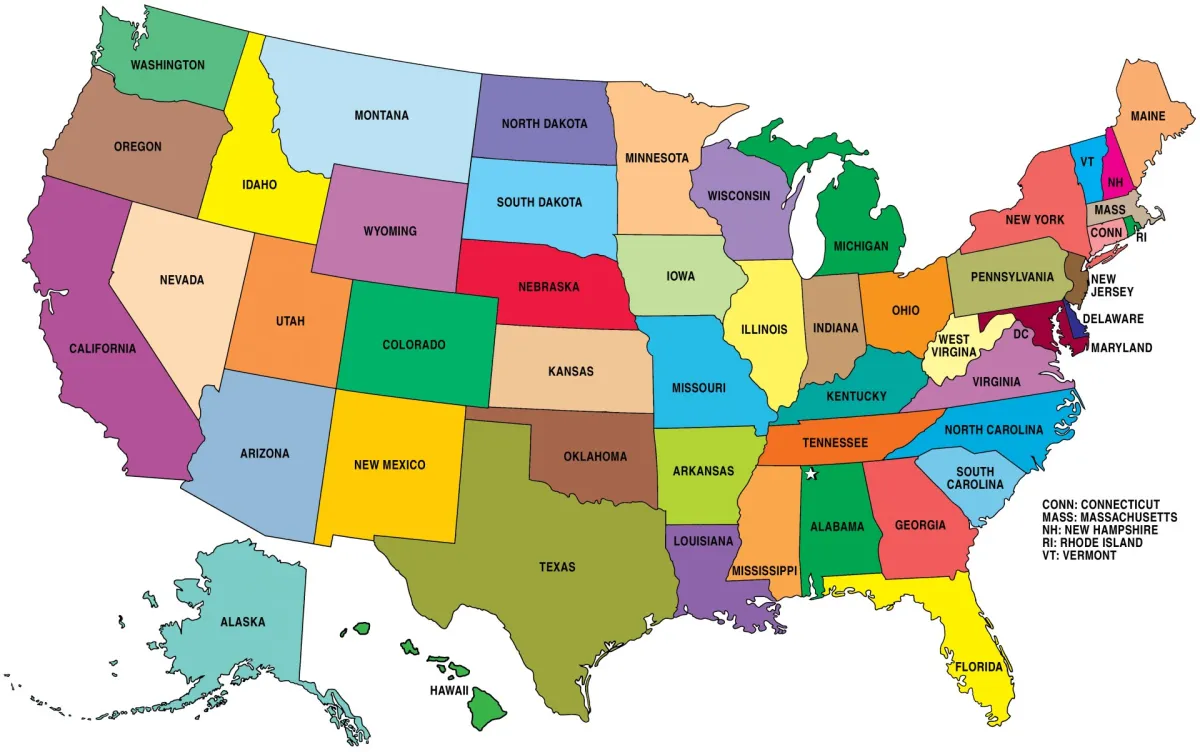 Photo: United States, via images7.alphacoders.com
 Photo: New Zealand, via i.pinimg.com
The erosion of generic-first prescribing culture followed closely. Generics have always been the cost-effective alternative, chemically equivalent to their brand-name counterparts. But as pharmaceutical marketing grew more sophisticated and brand loyalty took hold, the default toward generics weakened in some prescribing environments. The gap between what a generic costs and what a brand-name costs can be extraordinary — sometimes ten times the price or more for the same therapeutic outcome.
Pharmacy Benefit Managers, or PBMs, entered the picture as middlemen between drug manufacturers, insurance companies, and pharmacies. Their role is complex and, for most patients, essentially invisible. They negotiate rebates from drug manufacturers, decide which drugs get covered on insurance formularies, and influence what your copay looks like. Critics have argued for years that this system, while designed to manage costs, has in practice contributed to price opacity and, in some cases, higher out-of-pocket expenses for patients. Most Americans have never heard the term PBM. Most Americans are deeply affected by what PBMs decide.
The Coupon as a Warning Sign
Here's something that would have baffled a pharmacist in 1975: the manufacturer's coupon for a prescription drug.
These coupons — often available on a drug company's website, or handed out in a doctor's office — can dramatically reduce the out-of-pocket cost of a brand-name medication for patients with commercial insurance. A drug that costs $350 a month might come with a coupon that brings it to $10. The drug company eats the difference, at least in the short term.
It sounds like a good deal. And for the individual patient standing at the pharmacy counter, it often is — in the moment. But the broader effect is that these coupons make brand-name drugs feel affordable while obscuring their actual price, discouraging the switch to generics, and keeping patients locked into expensive medications that cost the overall insurance system — and eventually, everyone's premiums — significantly more.
The existence of the coupon is, in a strange way, an admission that the list price is indefensible.
What the Pharmacist Couldn't Tell You
The people who have watched this transformation most closely are the pharmacists themselves. Many will tell you, off the record, that they spend a meaningful portion of their day navigating insurance rejections, prior authorization requests, and the uncomfortable conversation where they have to tell a patient that the medication their doctor prescribed isn't covered under their current plan — and here are three alternatives that are, if the doctor agrees to change the prescription.
That conversation didn't exist in any meaningful volume forty years ago. A prescription was a prescription. You filled it. You paid a small amount. You left.
The pharmacist who knew your name and your family's health history has, in many cases, been replaced by a high-volume retail operation where the priority is throughput and the most complex part of the transaction is often the insurance verification.
The Errand That Became an Event
For millions of Americans managing chronic conditions — diabetes, hypertension, thyroid disorders, mental health conditions — the pharmacy is no longer a quick stop. It's a monthly financial reckoning that requires planning, comparison shopping across platforms like GoodRx, and sometimes the difficult choice between a medication and something else in the budget.
The country that once made picking up a prescription feel as routine as buying a loaf of bread has built, piece by piece, a system that treats that same errand as a financial negotiation. The pharmacist hasn't changed. The medication hasn't changed. The price, and everything behind it, absolutely has.