The Street That Knew Everything
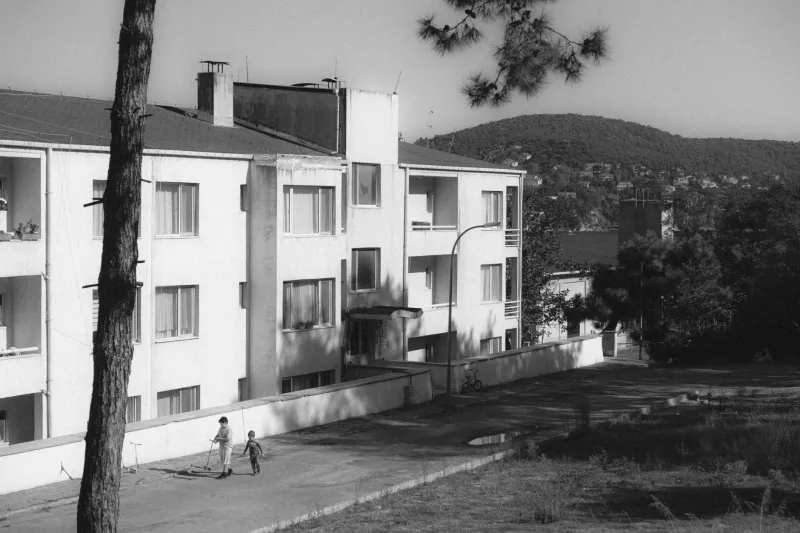
On Maple Avenue in 1963, Mrs. Patterson knew that the Hendersons were having pot roast for dinner, the Johnson boy had failed his algebra test, and Mr. Kowalski's back was acting up again. She knew because Mrs. Henderson had mentioned the roast while hanging laundry, young Jimmy Johnson looked dejected walking home from school, and she'd watched Mr. Kowalski wince while mowing his lawn.
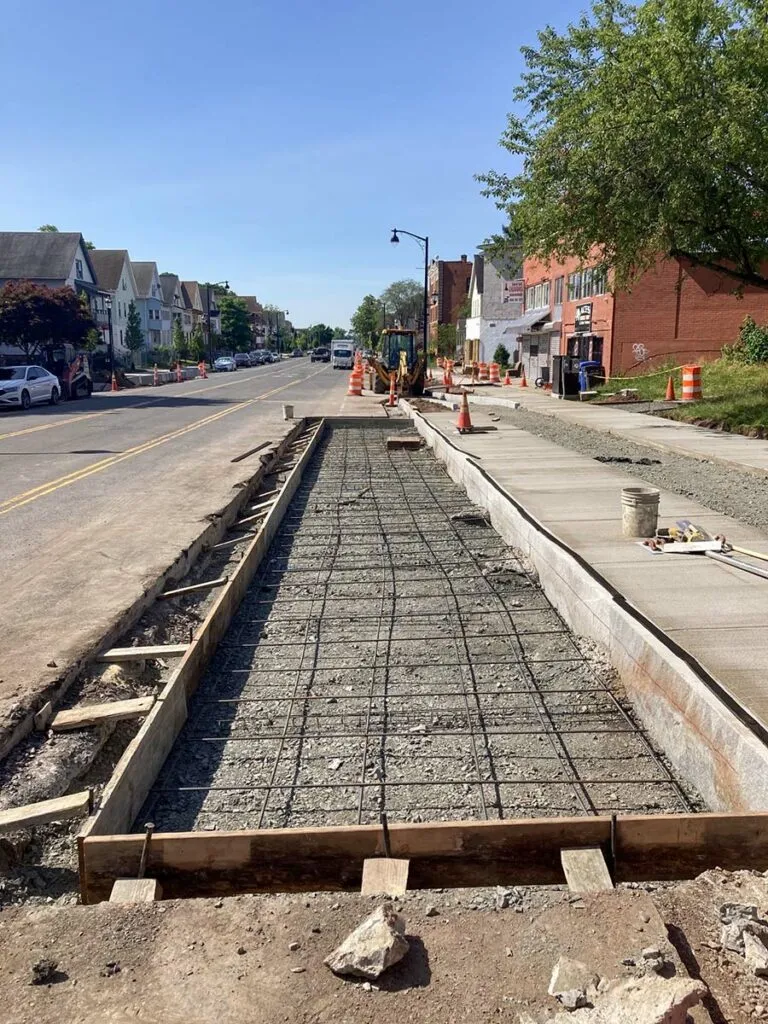 Photo: Maple Avenue, via pconstructionllc.com
This wasn't nosiness — it was neighborhood life. Everyone knew everyone else's rhythms, routines, and concerns because they shared the same sidewalks, the same corner grocery store, and the same daily dance of suburban existence.
Today, surveys consistently show that most Americans don't know the names of their immediate neighbors, let alone their dinner plans or family struggles.
The Invisible Web of Daily Life
Mid-century neighborhoods operated on an intricate system of informal mutual aid that would seem almost socialist by today's standards. Neighbors didn't just borrow cups of sugar — they borrowed lawnmowers, watched each other's children, collected mail during vacations, and showed up with casseroles during times of illness or death.
This system worked because everyone understood the unspoken rules. You helped when help was needed, you minded your own business when appropriate, and you contributed to the collective well-being of the street. The social contract was clear: we're all in this together.
Betty Schaefer, who raised four children in suburban Cleveland during the 1960s and 70s, remembers the system vividly. "I never worried about my kids walking home from school because I knew there were a dozen women on our street who would notice if something seemed wrong. When my youngest broke his arm, three neighbors showed up within an hour — one with dinner, one to watch my other kids, and one just to help however she could."
 Photo: Betty Schaefer, via i.ytimg.com
The Architecture of Connection
Post-war suburban design accidentally created perfect conditions for neighborhood intimacy. Front porches encouraged casual interaction with passersby. Unfenced yards created visual continuity between properties. Sidewalks provided natural corridors for chance encounters.
Most importantly, the daily routines of suburban life created multiple opportunities for informal contact. Morning coffee on the front porch, evening lawn watering, weekend yard work — these activities happened in view of neighbors and invited casual conversation.
Children served as neighborhood ambassadors, moving freely between houses and carrying information (and gossip) from family to family. A child's birthday party or school play became community events, with neighbors attending not just out of politeness but genuine interest in each other's lives.
The Economics of Interdependence
The tight-knit neighborhood culture of mid-century America was reinforced by economic necessity. Most families owned only one car, making neighbors essential for emergency transportation. Before widespread air conditioning, people spent summer evenings on front porches and in yards, naturally encountering each other.
Home maintenance required community cooperation. Major projects like tree removal or fence installation often involved multiple neighbors sharing tools, labor, and expertise. The corner hardware store owner knew everyone's ongoing projects and could suggest solutions that drew on neighborhood resources.
Women, who were more likely to be home during the day, formed the backbone of neighborhood communication networks. They coordinated carpools, organized block parties, and maintained the informal surveillance system that kept children safe and properties secure.
When Everyone's Business Was Everyone's Business
This intimacy came with a price that modern Americans might find suffocating. Privacy was limited, and conformity was enforced through gentle (and sometimes not-so-gentle) social pressure. Unusual behavior, unconventional choices, or family problems became neighborhood knowledge quickly.
Yet most people seemed to accept this trade-off. The security of knowing your neighbors were watching out for you outweighed the inconvenience of having your business known by the whole street. The social safety net was real and immediate — neighbors who would help in emergencies, watch your house while you were away, and notice if you hadn't been seen for a few days.
The Great Retreat Indoors
The decline of neighborhood culture began in the 1970s and accelerated through the following decades. Air conditioning allowed families to retreat indoors during summer months. Television provided entertainment that didn't require leaving the house. Dual-career families meant fewer people were home during the day to maintain neighborhood connections.
Suburban design evolved to prioritize privacy over community. Fences went up, porches disappeared, and garages moved to the front of houses, allowing families to come and go without encountering neighbors. Gated communities took this logic to its extreme, creating physical barriers to casual interaction.
The rise of big-box retail destroyed many neighborhood commercial districts, eliminating the casual encounters that happened at local shops and restaurants. Strip malls and shopping centers required driving, reducing the pedestrian traffic that had sustained neighborhood life.
Digital Neighbors and Physical Strangers
Today's Americans often know more about distant acquaintances on social media than they do about the people living next door. We've traded physical proximity for digital connection, neighborhood barbecues for Facebook groups, and front porch conversations for text message exchanges.
This shift has practical consequences. When emergencies strike, many Americans don't have immediate neighbors they can turn to for help. Package theft has become a significant problem partly because neighbors don't know each other well enough to collect deliveries. Children have fewer opportunities for the kind of unstructured, multi-generational interaction that once characterized neighborhood life.
The Loneliness of Privacy
The modern emphasis on privacy and independence has created something previous generations couldn't have imagined: neighborhoods full of strangers. Surveys show that loneliness and social isolation have reached epidemic levels, even as Americans live in closer physical proximity than ever before.
Young families, in particular, often struggle to recreate the support systems that their parents took for granted. Without the informal networks of neighborhood life, they rely more heavily on paid services — babysitters instead of neighbor kids, lawn services instead of borrowed equipment, meal delivery instead of casseroles from next door.
What We Lost in Translation
The old neighborhood culture wasn't perfect. It could be exclusionary, judgmental, and stifling for those who didn't fit conventional norms. But it provided something that's proven difficult to replace: a sense of belonging to a place and a community of people who knew your name, your story, and your struggles.
In gaining privacy and independence, we've lost the daily practice of caring for and being cared for by the people who share our immediate physical space. The neighborhood has become just a collection of individual properties rather than a community of interconnected lives.
Perhaps most significantly, we've lost the informal education that happened through neighborhood life — children learning to interact with adults outside their families, adults practicing the small kindnesses that build social trust, and everyone participating in the daily democracy of community life.
The street that once knew everything has become a place where strangers happen to sleep in close proximity, and we're all a little lonelier for it.