When Your Grandmother Mailed $20 Bills to Pay the Electric Company
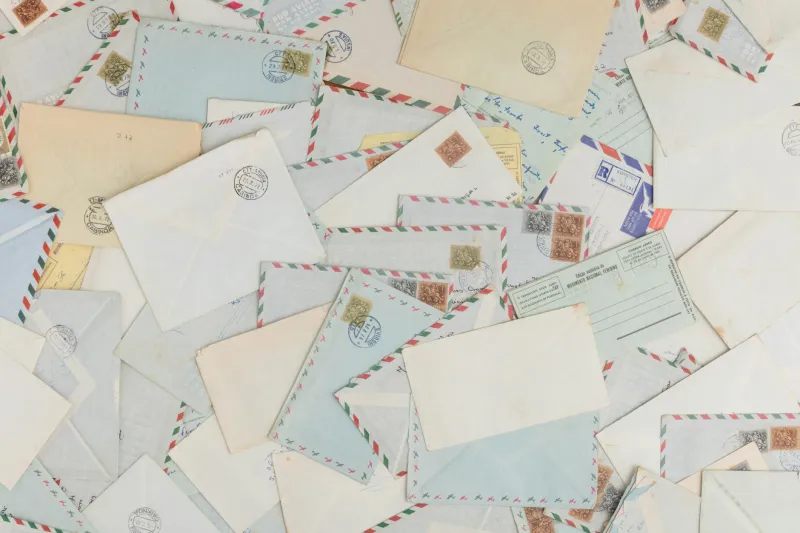
The Envelope That Carried America's Economy
Picture this: It's 1963, and your grandmother sits at her kitchen table with a stack of bills, a roll of stamps, and several crisp twenty-dollar bills. She carefully folds the cash into an envelope addressed to Commonwealth Edison, seals it with a lick, and drops it in the mailbox. Three days later, her electricity bill is paid. No confirmation email. No instant notification. Just faith that the system works.
This wasn't unusual behavior — it was how America paid its bills for generations. Before the digital revolution transformed our financial lives, the humble postal system served as the nation's payment network, moving billions of dollars in cash, checks, and money orders across the country every single day.
When the Post Office Was Your Bank
The postal money order, introduced in 1864, became the backbone of working-class financial transactions. For just a few cents, anyone could walk into a post office and convert their cash into a secure money order, guaranteed by the full faith and credit of the United States government. No bank account required. No credit check. No minimum balance.
These weren't just convenience items — they were lifelines. Immigrant workers used postal money orders to send wages back to families overseas. Rural Americans who lived hours from the nearest bank relied on them for everything from catalog purchases to insurance premiums. The system processed over 100 million money orders annually by the 1960s, each one representing someone's rent, groceries, or Christmas gifts.
The Ritual of Payment Day
Bill paying was a monthly ritual that required planning and patience. Families would gather their statements, calculate due dates, and factor in mail delivery times. Smart consumers knew to mail payments at least a week before the due date — longer if they lived in rural areas where mail service was slower.
The process demanded a level of organization that would seem foreign today. People kept detailed ledgers, noting when payments were mailed and when they should arrive. Late fees weren't just penalties — they were signs of poor planning or, worse, postal delays beyond your control.
Trust in an Envelope
What's most remarkable about this system wasn't its efficiency — it was the extraordinary level of trust it required. Americans regularly mailed cash to complete strangers, trusting not just the postal service but the entire chain of people who would handle their money along the way. Mail carriers, postal clerks, and company employees all became unwitting guardians of the nation's financial transactions.
This trust wasn't misplaced. The postal service took money handling seriously, with strict protocols and severe penalties for mail theft. Postal inspectors — federal law enforcement officers — investigated financial crimes with the same intensity they brought to mail fraud cases. Stealing someone's mailed payment wasn't just theft; it was a federal offense.
The Speed of Trust
Compare this to today's instant gratification economy. We tap our phones and money moves instantly. We receive immediate confirmations, real-time balance updates, and instant notifications when payments are processed. The idea of dropping cash in a mailbox and waiting a week for it to reach its destination seems almost quaint.
But that old system taught Americans something we've largely forgotten: patience and the value of delayed gratification. Paying bills required forethought. Sending money to family members was a deliberate act that took days to complete. Every financial transaction carried weight because it couldn't be easily reversed or instantly corrected.
When Money Had Physical Weight
The physicality of money was part of daily life in ways that digital natives can barely comprehend. Cash had to be counted, stored, protected, and transported. A $100 bill was a substantial piece of paper that represented real purchasing power — not just numbers on a screen.
Families would save up postal money orders for major purchases, accumulating them like a paper trail of financial discipline. The money order stub became proof of payment, carefully filed away in shoeboxes and desk drawers across America.
The Human Network
Behind every mailed payment was a human network that processed, sorted, and delivered financial transactions. Postal workers knew their routes intimately, often recognizing regular bill-paying patterns and ensuring important mail reached its destination safely. Local post offices served as community financial hubs where neighbors would gather to purchase money orders and mail payments together.
This human element added a layer of accountability and personal connection to financial transactions that algorithms and automated systems can't replicate. Your mail carrier had a vested interest in your payment reaching its destination — their reputation and job security depended on it.
What We Lost in Translation
Today's financial system is undeniably more efficient, secure, and convenient. But in gaining instant transactions, we lost something harder to quantify: the deliberate nature of financial decision-making. When every payment required planning, people thought more carefully about their spending. When money had to be physically handled and mailed, it felt more real and valuable.
The next time you tap your phone to split a dinner bill or instantly transfer money to a friend, remember that your grandmother once trusted a stamp and an envelope to carry her family's financial security across the country. That simple act of faith in a system — and in strangers — built the foundation for the complex financial networks we rely on today.