When Twenty-Five Cents Could Buy You Two Hours of Pure Magic

Picture this: You walk into a dimly lit room filled with the electronic symphony of bleeps, bloops, and the satisfying clunk of joysticks. The air smells like carpet cleaner and teenage ambition. In your pocket, you've got exactly $2.50 in quarters — enough to transform an ordinary Saturday afternoon into something legendary.
Welcome to the American arcade, circa 1982.
The Quarter Economy That Actually Made Sense
For most of the 1980s and early 90s, a single quarter bought you one life in Pac-Man, one attempt at a high score in Galaga, or one chance to prove your worth in Street Fighter II. Good players could stretch those quarters for hours. The kid who could beat Contra on a single quarter wasn't just skilled — they were basically arcade royalty.
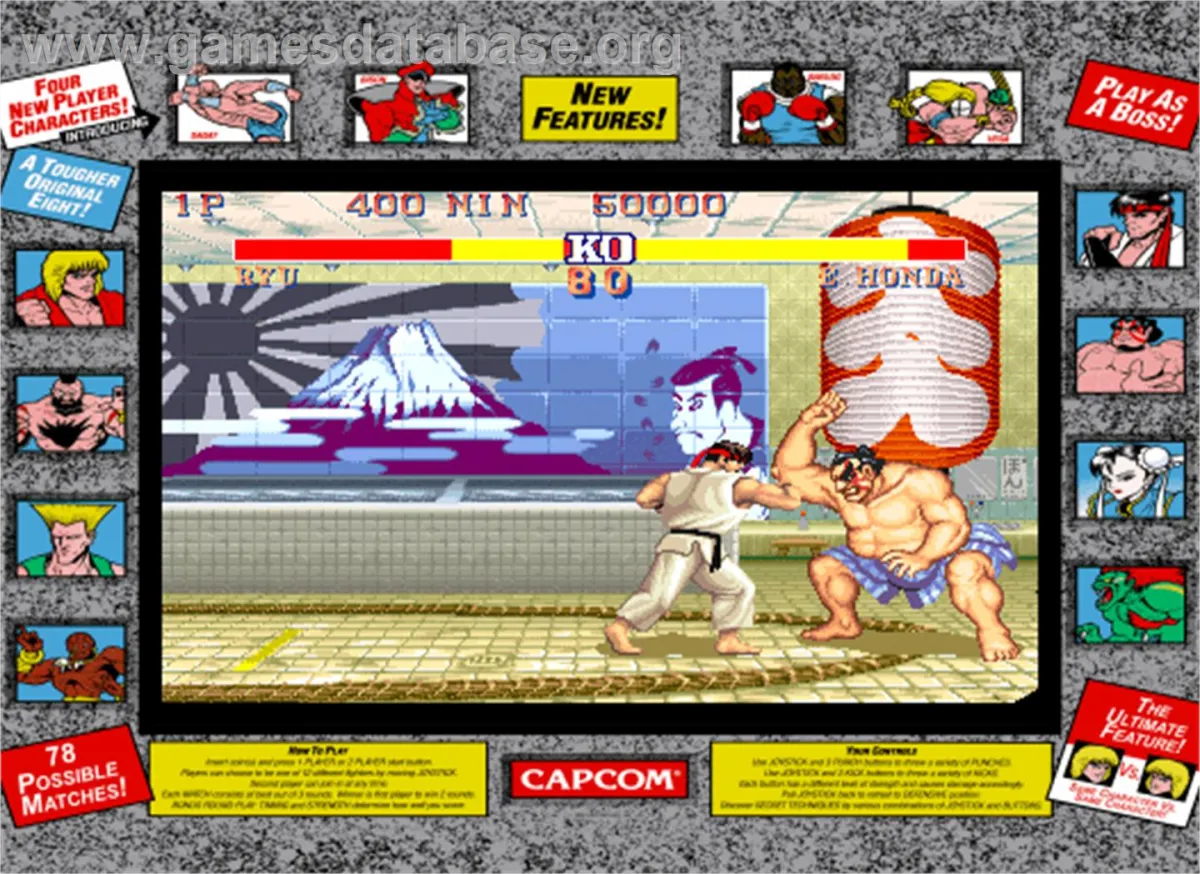 Photo: Street Fighter II, via www.gamesdatabase.org
Compare that to today's gaming landscape, where a single mobile game can drain $20 from your account before you realize what happened. The average American now spends $139 per month on entertainment subscriptions, according to recent surveys. That's more than most families spent on their entire monthly grocery budget in 1980.
But the real difference wasn't economic — it was social.
When Gaming Meant Community
Arcades weren't just places to play games; they were the neighborhood's unofficial community center. Kids from different schools, different backgrounds, different social circles all gathered around the same glowing screens. You learned patience waiting your turn. You learned respect watching someone pull off moves you couldn't imagine. You learned humility when the quiet kid nobody noticed absolutely destroyed you at Mortal Kombat.
 Photo: Mortal Kombat, via static0.gamerantimages.com
The arcade had unwritten rules that everyone understood. You put your quarter on the machine's edge to claim "next game." You didn't hog a popular machine during peak hours. If someone was on a hot streak, you watched and learned. These weren't just gaming etiquette — they were life lessons in fairness, community, and shared space.
Today's gaming culture operates on completely different principles. Most games are designed to be played alone, even when they're technically "multiplayer." You're matched with strangers you'll never meet, competing in environments designed to keep you engaged just long enough to make the next purchase. The social bonds that formed over a shared Street Fighter cabinet have been replaced by anonymous usernames and voice chat toxicity.
The Death of Affordable Entertainment
In 1985, five dollars could fund an entire afternoon of entertainment. You'd hit the arcade, maybe grab a soda, play for two hours, and still have change left over. Adjusted for inflation, that same five dollars represents about $13.50 today — barely enough for a single movie ticket in most American cities.
Modern gaming isn't just more expensive; it's structured to be more expensive. Free-to-play games hook players with small purchases that add up to hundreds of dollars over time. Console games cost $70 upfront, then charge extra for downloadable content that used to be included. Gaming PCs can easily cost more than a used car.
The arcade model was refreshingly honest: pay for what you play, when you play it. No subscriptions, no season passes, no loot boxes designed by teams of behavioral psychologists to exploit your dopamine response.
What We Lost When the Quarters Stopped Dropping
The decline of arcade culture represents more than just a shift in entertainment technology. It marks the end of a particular kind of American gathering place — one that was democratic, affordable, and genuinely community-building.
Arcades taught kids how to handle both victory and defeat in public. They created spaces where social hierarchies from school didn't automatically transfer. The shy bookworm who dominated at Centipede earned the same respect as the star quarterback who couldn't get past level two.
These lessons happened naturally, without adult supervision or structured programming. Kids learned to self-regulate, to form temporary alliances, to appreciate skill regardless of its source. They learned that mastery took practice, that quarters were finite resources to be spent wisely, and that sometimes the best entertainment was watching someone else achieve something amazing.
The New Isolation Economy
Today's entertainment landscape offers unprecedented choice and convenience, but it's also fundamentally isolating. The average American spends over seven hours per day looking at screens, most of it alone. Even "social" gaming often involves sitting in separate rooms, connected only by headsets and internet protocols.
We've traded the democratic quarter for the algorithmic subscription. Instead of gathering in shared physical spaces, we retreat into personalized digital bubbles. The games are more sophisticated, the graphics more realistic, the experiences more immersive — but something essential has been lost in translation.
The Quarter's Legacy
The arcade era wasn't perfect. Machines broke down, older kids sometimes bullied younger ones, and not every neighborhood had access to these spaces. But for a brief moment in American cultural history, entertainment was both affordable and communal in ways that seem almost impossible today.
The next time you're frustrated by another subscription fee or in-app purchase prompt, remember when twenty-five cents could buy you entry into a world of adventure, competition, and genuine human connection. Those quarters may be long gone, but the memories they purchased remain priceless.