When Tuesday Night Meant Dinner Out Without Breaking the Bank
The Night Out That Didn't Require a Financial Planning Session
Picture this: It's 1973, and the Hendersons are tired after a long Tuesday. Instead of cooking, Mom suggests they head to the local family restaurant. Nobody checks bank balances. Nobody calculates tips on their phone. Dad just grabs his wallet, and off they go.
This wasn't a birthday celebration or anniversary dinner. It was just Tuesday.
For middle-class American families in the 1960s and 70s, eating out at sit-down restaurants was woven into the fabric of regular life. A complete meal at Howard Johnson's cost around $2.50. A family of four could walk into Denny's, order full dinners with drinks and dessert, and leave $12 on the table — including tip.
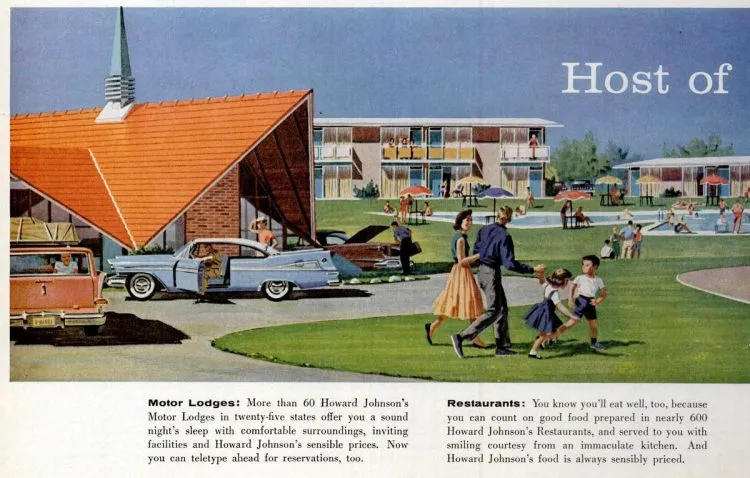 Photo: Howard Johnson's, via clickamericana.com
Compare that to today, when the same family meal easily runs $80-120 before anyone's ordered an appetizer.
When Menus Had Prices You Could Actually Afford
The numbers tell a stark story. In 1970, a typical family restaurant meal cost about 8% of the median daily wage. Today, that same meal represents roughly 25% of a day's earnings for the average American worker.
But the real change isn't just mathematical — it's psychological.
Back then, restaurant dining occupied a different mental category. It wasn't "dining out" with all the ceremony that phrase implies today. It was simply eating somewhere else. The decision happened spontaneously, the way we might decide to grab coffee now.
"Let's go to Big Boy tonight," wasn't a budget discussion. It was Tuesday night problem-solving.
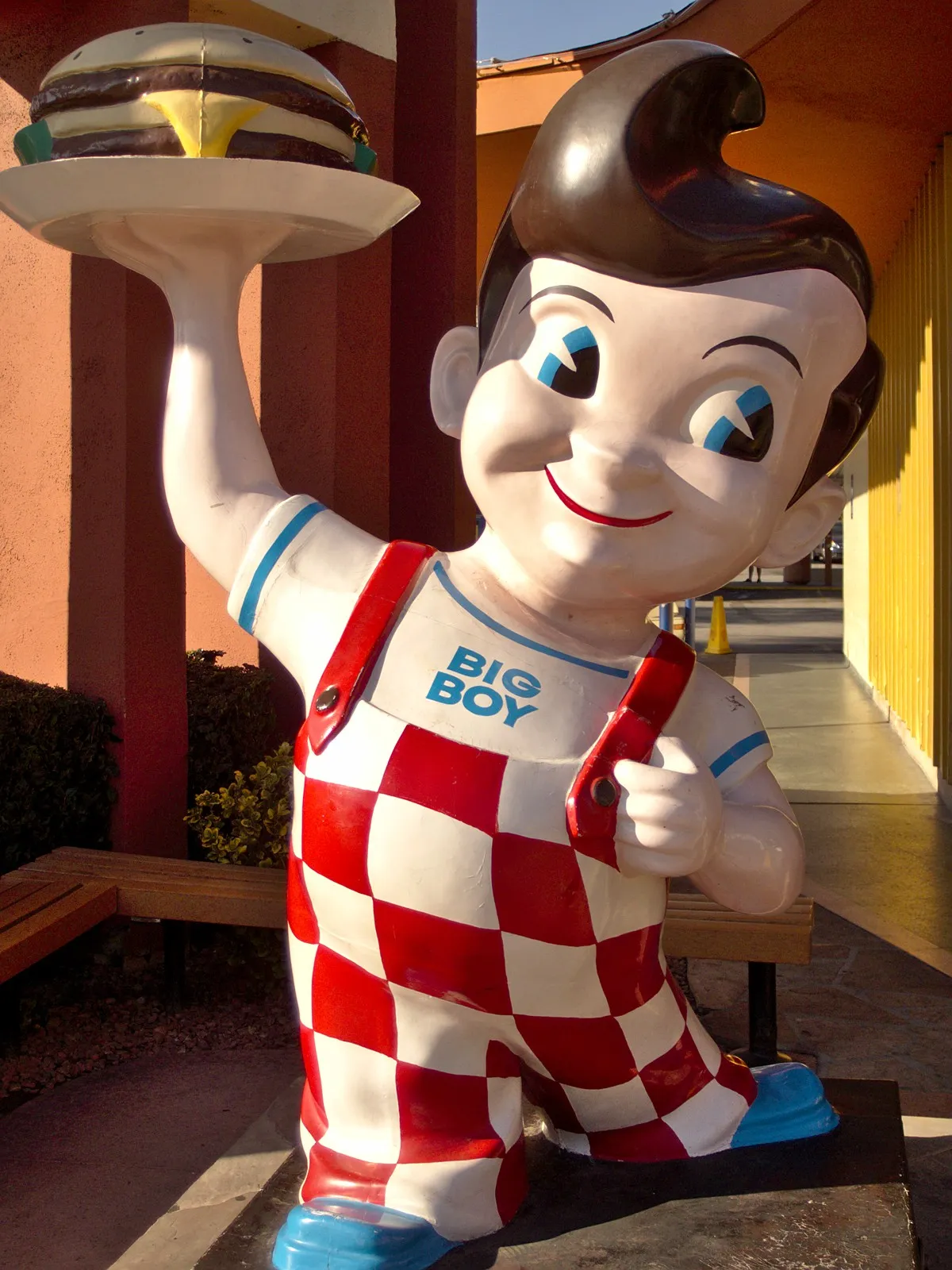 Photo: Big Boy, via upload.wikimedia.org
The Tip That Didn't Require a Calculator
Tipping culture tells another piece of this story. In the 1960s, 10-15% was standard, and most people rounded to the nearest dollar. Nobody carried tip calculators or debated whether service charges were already included.
The ritual was simple: You looked at your bill, did quick mental math, and left some coins and maybe a dollar bill. The server expected reasonable compensation, not a performance-based percentage that required smartphone apps to calculate.
Today's tipping anxiety — the iPad screens suggesting 22%, 25%, or 30%, the guilt over choosing the lowest option, the confusion about whether to tip on pre-tax totals — simply didn't exist.
When Restaurants Were Neighborhood Fixtures, Not Special Occasions
The restaurants themselves were different too. They weren't trying to be experiences. Howard Johnson's, Big Boy, Denny's, and countless local diners served straightforward American food at prices that made sense for regular families.
These places understood their role in community life. They were the backup plan for tired parents, the neutral ground for family gatherings, the place where kids learned restaurant behavior without financial pressure looming over every order.
Menu engineering — the psychological pricing strategies that make today's restaurant visits feel like navigating a financial minefield — hadn't been invented yet. Prices were just prices, listed clearly, without the $19.99 tricks or the "market price" mysteries that make modern dining feel like a negotiation.
The Death of the Casual Family Meal
Sometime in the 1990s and 2000s, restaurant dining began its transformation from routine to special occasion. Rising food costs, increased labor expenses, and changing consumer expectations gradually pushed the simple family meal out of reach for regular enjoyment.
Restaurants responded by trying to justify higher prices with "experiences" — craft cocktails, artisanal ingredients, Instagram-worthy presentations. What we gained in food quality and ambiance, we lost in accessibility and spontaneity.
The Tuesday night dinner out became the Saturday night dinner out, then the monthly dinner out, then the special occasion dinner out.
What We Lost When Eating Out Became an Event
Beyond the financial impact, something cultural disappeared when restaurant meals moved from routine to special. Kids stopped learning how to behave in restaurants through regular practice. Families lost a pressure valve for busy weeknights. The simple pleasure of having someone else cook and clean up became a luxury requiring justification.
More subtly, we lost the democratic nature of restaurant dining. When eating out was affordable for working families, restaurants served as community spaces where different economic classes mixed naturally. Today's restaurant landscape increasingly segregates diners by income level, with fast-casual chains serving those who can't afford sit-down dining.
The New Math of Family Dining
Today's family restaurant visit involves calculations that would have baffled the Henderson family in 1973. Parents scan menus looking for kids-eat-free nights, split entrees to manage costs, or skip drinks to keep bills reasonable.
The mental math happens before anyone sits down: "Can we afford this? Should we just do drive-through? Is this worth $100?"
That internal negotiation — that moment of financial hesitation before a simple family meal — represents something profound that American families lost along the way.
The Tuesday Night That Never Came Back
The Henderson family's spontaneous Tuesday dinner at Howard Johnson's represents more than nostalgia for cheaper prices. It represents a time when simple pleasures were simply accessible, when family life included small luxuries that didn't require financial planning, when eating out meant relaxation instead of budget stress.
Somewhere between then and now, we traded the casual family meal for something more elaborate but less accessible. The question isn't whether today's restaurants are better — they often are. The question is whether we lost something essential when Tuesday night dinner out became too expensive to happen without thinking twice.