The $8 Cleaning That Kept America Smiling
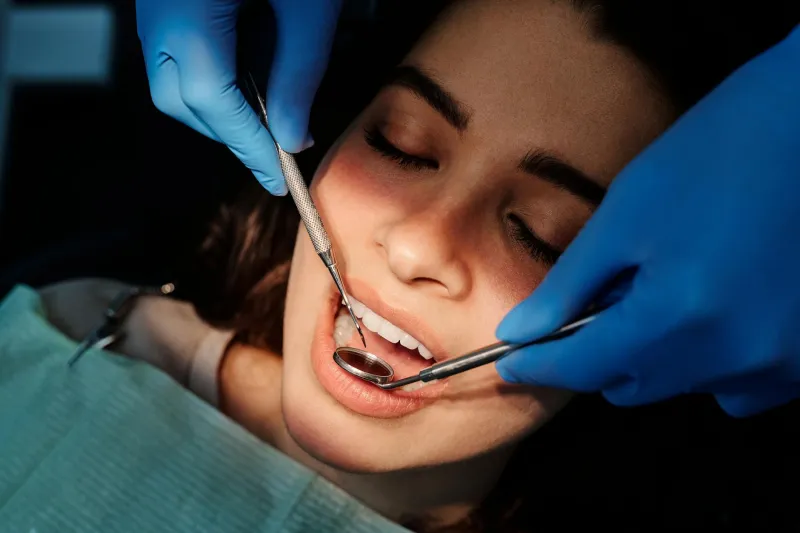
In 1975, walking into Dr. Peterson's dental office on Main Street was about as stressful as getting your hair cut. You'd flip through a magazine, wait maybe ten minutes, then settle into the chair for a cleaning that cost roughly eight dollars — about the same as dinner for two at the local diner.
 Photo: Main Street, via i.pinimg.com
The bill was straightforward: one line item, one price, cash or check accepted. Most families didn't even think about dental insurance because they didn't need it. A cleaning twice a year, maybe a filling here and there, and an annual checkup for the kids added up to less than what many Americans now spend on their monthly Netflix subscription.
Dr. Peterson ran his practice from a converted house, employed one hygienist and a receptionist who doubled as the billing department. When you needed work done, she'd tell you the price upfront, and you'd schedule it for next week. No pre-authorization, no insurance claims, no payment plans. Just simple healthcare delivery that fit into a family budget without requiring a financial strategy.
When Dental Care Joined the Complexity Economy
Fast-forward to today, and that same routine cleaning has transformed into something resembling a mortgage application. Before you even sit in the chair, you're navigating insurance networks, deductibles, and coverage percentages. That cleaning now costs anywhere from $75 to $200, depending on your zip code and whether your dentist accepts your insurance plan.
But the real sticker shock comes with anything beyond basic maintenance. A crown that might have cost $50 in 1975 dollars now runs $1,000 to $1,500. Root canals start at $800 and climb toward $2,000. Orthodontics for kids — once a middle-class rite of passage — now requires payment plans that stretch for years.
Modern dental offices look more like medical spas than the simple practices of decades past. Digital X-rays, laser treatments, and cosmetic procedures have elevated the standard of care, but they've also elevated the cost structure. Today's dental practice carries overhead that Dr. Peterson never imagined: electronic health records systems, insurance billing specialists, and equipment loans that can run into the hundreds of thousands.
The Insurance Maze That Nobody Asked For
Perhaps the biggest change is how insurance has complicated what used to be a simple transaction. Dental insurance, which barely existed in the 1970s, now comes with annual maximums that haven't increased much since the 1960s — typically around $1,000 to $1,500 per year. That might have covered comprehensive dental care when these plans were designed, but today it barely scratches the surface of major work.
The result is a system where having dental insurance often feels worse than having no coverage at all. You're locked into network providers, subjected to waiting periods for major procedures, and surprised by out-of-pocket costs that can exceed what uninsured patients pay at discount practices.
Families now approach dental care the way previous generations approached buying a car — researching, comparing prices, and timing major work around financial capacity. Parents postpone their own dental needs to ensure their kids get treatment, creating a generational cycle where oral health becomes a luxury rather than routine maintenance.
The Social Cost of Expensive Smiles
This transformation has created something that didn't exist in Dr. Peterson's era: dental inequality. In the 1970s, most Americans had access to similar quality dental care because the price points were within reach of working families. Today, there's a clear divide between those who can afford comprehensive dental care and those who treat the dentist as an emergency-only destination.
The rise of dental tourism, where Americans travel to Mexico or Eastern Europe for major dental work, represents something unprecedented in American healthcare. When routine oral surgery becomes so expensive that international travel becomes a cost-saving measure, we've clearly moved far from the era when dental care was just another part of staying healthy.
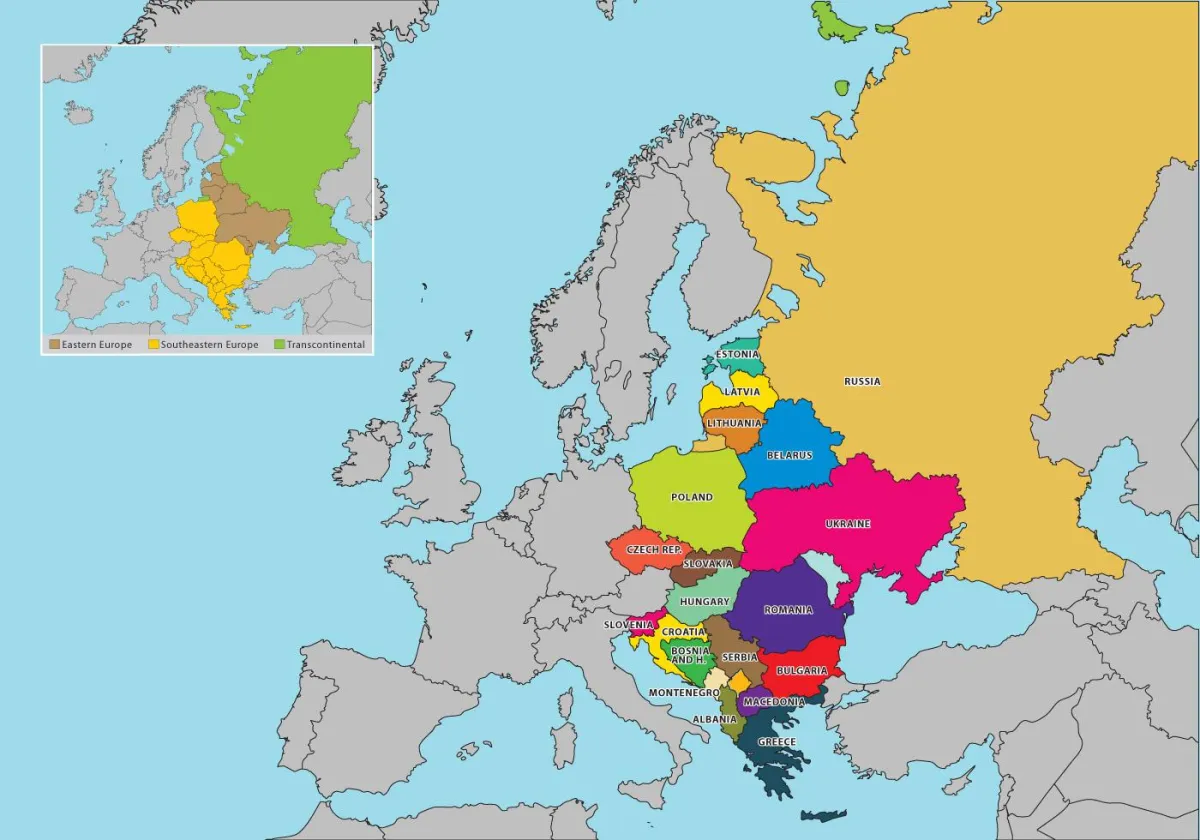 Photo: Eastern Europe, via static.vecteezy.com
Corporate dental chains have emerged to serve price-conscious consumers, but they've created their own problems: high-pressure sales tactics, unnecessary procedures, and a volume-based approach that can compromise care quality. The simple relationship between patient and family dentist has been replaced by a complex marketplace where consumers need to become experts in dental pricing and insurance navigation.
What We Lost When Teeth Became Big Business
The shift from affordable, straightforward dental care to today's complex system represents more than just inflation. It reflects a broader change in how Americans think about health maintenance. When basic dental care was affordable, families treated it like other routine maintenance — oil changes, haircuts, annual physicals. It was just something you did to take care of yourself.
Today, dental care has joined the ranks of major household expenses that require planning, budgeting, and often sacrifice. The result is that many Americans simply go without, leading to emergency room visits for dental problems that could have been prevented with routine care — an outcome that serves no one well.
The era when Dr. Peterson could run a successful practice while keeping care affordable for working families seems almost quaint now. But it raises important questions about whether the technological advances and business complexity of modern dentistry have truly served patients better, or simply made oral health another arena where economic inequality plays out in painful, visible ways.