When Pizza Night Didn't Require a Monthly Budget Meeting
The Era of the Impromptu Family Dinner
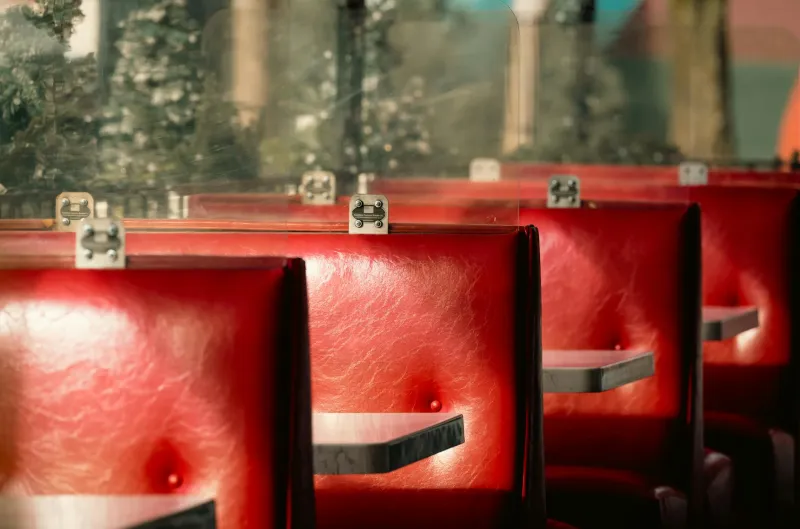
Picture this: It's 1978, and your dad gets home from work on a Tuesday evening. Your mom mentions she's tired from a long day, and without missing a beat, he suggests, "Let's just go to Denny's tonight." Within twenty minutes, your family of four is sliding into a vinyl booth, ordering burgers and milkshakes without anyone pulling out a calculator or checking the bank balance first.
This wasn't a special occasion. It wasn't anyone's birthday or a celebration. It was just Tuesday, and eating out was something regular American families did whenever they felt like it.
When Restaurant Prices Made Sense
In 1980, a typical family restaurant meal — let's say Applebee's or a local diner — would run about $20-25 for four people, including drinks and dessert. That same meal today? You're looking at $80-100, easily, before tip. But here's the kicker: while restaurant prices have roughly quadrupled, median household income has only doubled.
Back then, a machinist making $15,000 a year could take his family out to eat for what amounted to about two hours of his gross pay. Today, that same machinist's modern equivalent, earning around $45,000, needs to work nearly four hours to cover the same restaurant experience.
The math is brutal, but the real change goes deeper than numbers.
The Death of the Casual Restaurant Run
Remember when "fast casual" wasn't even a category because regular restaurants were already casual? Places like Big Boy, Howard Johnson's, and countless local diners operated on the revolutionary principle that ordinary families should be able to afford a hot meal served to them at a table.
These weren't fancy establishments. The menus were laminated, the coffee was endless, and kids ate free on certain nights. But they served a crucial social function: they made eating out accessible to everyone, not just special-occasion worthy.
Today's equivalent — a chain like Olive Garden or Chili's — positions itself as a step up from fast food, complete with reservations, wine lists, and appetizer platters that cost more than entire meals used to. What was once routine has been rebranded as an experience.
The Tipping Point That Changed Everything
The transformation of tipping culture deserves its own chapter in this story. In the 1970s, 15% was considered generous, and 10% was perfectly acceptable for decent service. Many families rounded up to the nearest dollar and called it good.
Fast-forward to today, where 20% is the expected minimum, and payment systems helpfully suggest 25% or 30% options. For a family spending $85 on dinner, that "standard" 20% tip adds another $17 — bringing a casual Tuesday night meal to over $100.
The psychological effect is profound. When every restaurant outing requires calculating percentages and making moral judgments about service quality, spontaneity dies.
When Kids' Menus Were Actually for Kids
Here's something that perfectly captures the shift: children's meals used to cost around $1.99 and came with a drink, fries, and often a small toy or activity placemat. Parents didn't think twice about ordering them.
Today's kids' meals run $7-12 each, drinks cost extra, and the portion sizes haven't grown much. What changed isn't the food — it's the assumption about who can afford to eat out regularly.
Modern restaurant economics assume customers are making deliberate choices to dine out, not just grabbing dinner because it's convenient. Every menu item is priced like it's competing with a home-cooked meal that someone actually has time to prepare.
The Planning Paradox
The most telling change might be how we talk about eating out. Browse any family budgeting forum today, and you'll find detailed discussions about "dining out budgets," strategies for using restaurant apps, and debates about whether date nights are worth the expense.
Our grandparents didn't budget for restaurant meals any more than they budgeted for turning on the radio. It was just something you could do when you wanted to.
This shift reveals something profound about American middle-class life: we've quietly accepted that many things our parents took for granted — including the simple pleasure of letting someone else cook dinner on a random weeknight — are now luxuries requiring justification.
The Real Cost of "Affordable" Dining
Today's food landscape offers plenty of cheap options, from dollar menus to food trucks. But the middle ground — the place where families could sit down together for a relaxed meal without breaking the bank — has largely disappeared.
What we've lost isn't just affordability; it's the casual relationship with dining out that allowed families to be spontaneous. When every restaurant meal requires advance planning and budget consultation, eating out stops being about convenience or pleasure and becomes another financial decision to manage.
The numbers tell the story, but the real change is cultural. We've transformed the simple act of sharing a meal away from home into something that requires the kind of deliberation our parents reserved for buying appliances.
In losing that spontaneity, we've lost something essentially American: the idea that working families should be able to enjoy small pleasures without turning them into major financial events.