When Letters Were Love: How Americans Once Cherished Friendships One Envelope at a Time
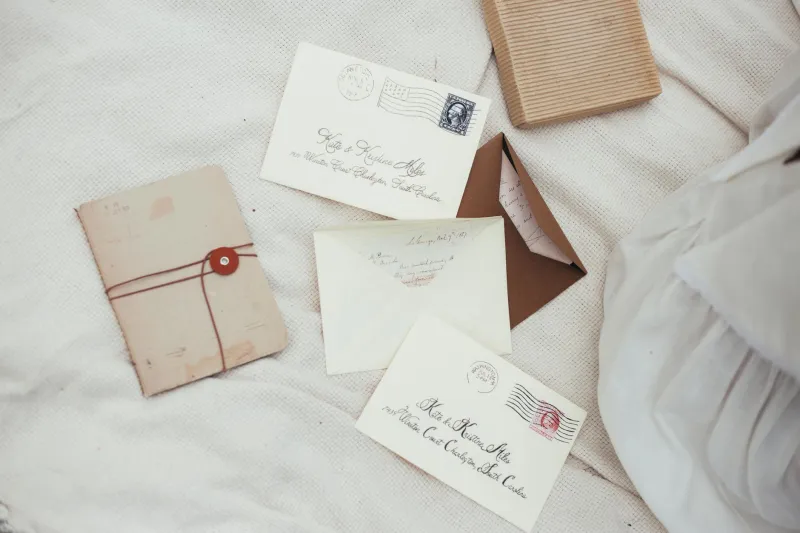
The Art of Waiting for Words
Picture this: your best friend from high school just moved three states away for college. In 2024, you'd probably text them before they even unpacked their car. But rewind to 1975, and that friendship was about to face its greatest test—not growing apart emotionally, but staying connected across the miles with nothing but paper, ink, and hope.
Back then, keeping a long-distance friendship alive was serious business. It required planning, patience, and a level of intentionality that would seem almost quaint today. Every relationship that survived distance was a small miracle of human persistence.
The Economics of Affection
Before email made communication free and texting made it instant, staying in touch had a literal price tag. A first-class stamp in 1975 cost 10 cents—about 55 cents in today's money. That might not sound like much until you consider that maintaining a regular correspondence with multiple friends could easily cost a college student $10-15 a month, equivalent to nearly $80 today.
For many Americans, especially young people living on tight budgets, the cost of stamps became a real factor in deciding who deserved a letter. You had to prioritize your relationships based on your postal budget. The friends who received regular letters were truly the chosen ones.
Families often bought stamps in bulk, storing those small perforated squares like precious currency. Running out of stamps on a Sunday when the post office was closed meant your heartfelt letter would have to wait another day—or longer.
The Ritual of Connection
Writing a letter was an event, not a casual afterthought squeezed between meetings. Americans would set aside dedicated time, often Sunday afternoons or quiet weekday evenings, to catch up with distant friends and family. You'd gather your supplies: good stationery (if you were fancy), a reliable pen, maybe some photos to include, and your address book.
The physical act of writing forced you to be thoughtful. Unlike today's stream-of-consciousness texting, letters required you to organize your thoughts, choose your words carefully, and commit to what you were saying. There was no backspace key, no delete button. Cross-outs were embarrassing, so you planned your sentences before putting pen to paper.
Many people developed their own letter-writing traditions. Some always used the same blue ink. Others had special stationery for different types of correspondence. Teenage girls often decorated their letters with stickers or drew hearts to dot their i's. These personal touches made each letter a small work of art.
The Sweet Agony of Anticipation
Perhaps nothing illustrates the difference between then and now like the waiting. After mailing a letter from New York to California, you could expect a reply in about two weeks—if your friend wrote back immediately. More realistically, you were looking at three to four weeks between sending a letter and receiving a response.
This waiting period created a unique emotional rhythm. You'd mail your letter with excitement, spend the first week still glowing from having shared your news, then gradually build anticipation as you began watching for a reply. The arrival of a letter from a distant friend was genuinely thrilling—a small celebration that could brighten an entire week.
Americans developed strategies for managing the wait. Some people kept track of when they'd sent letters and when they could reasonably expect replies. Others wrote multiple letters in rotation, so they always had something to look forward to in the mail.
When Mail Call Mattered
The daily mail delivery carried emotional weight that's hard to imagine today. College students would gather around mailboxes, hoping for letters from home or friends. Summer camp counselors would announce mail call like it was Christmas morning. Military families lived and died by the postal schedule.
Receiving a letter was just the beginning. People would often save special letters to read in private, savoring every word. Many Americans kept shoeboxes or special drawers filled with letters from loved ones, creating physical archives of their relationships. These collections became treasured possessions, often kept for decades.
Re-reading old letters was a common pleasure. Unlike scrolling through old text messages (which few people do), Americans regularly revisited correspondence from friends and family, sometimes years later. The physical letters served as tangible reminders of relationships and shared experiences.
The Lost Art of Letter Friendship
What we lost when communication became instant wasn't just the romantic notion of handwritten notes. We lost the discipline of thoughtful communication, the pleasure of delayed gratification, and the weight that distance once gave to our words.
In the letter-writing era, long-distance friends had to be more intentional about sharing their lives. You couldn't just fire off a quick "thinking of you" text. Instead, you'd save up your news, your thoughts, and your questions, then pour them all into a substantial letter that could sustain a friendship across weeks of silence.
This system naturally filtered relationships. Casual acquaintances rarely survived the letter-writing requirement, while true friendships deepened through the effort required to maintain them. The friends who lasted were the ones worth the cost of a stamp and the investment of time.
What We Gained and Lost
Today's instant communication has obvious advantages. We can maintain relationships with more people across greater distances with less effort. We can share moments in real-time and offer immediate support during crises. No one questions these benefits.
But something was also lost in translation. The friends who survived the letter-writing era often developed a depth of connection that's harder to achieve through quick digital exchanges. When every communication required genuine effort, people made that effort count.
The next time you fire off a quick text to a distant friend, remember the Americans who once measured their affection in stamps and sealed their love in envelopes. They understood something we're still learning: the most meaningful connections often require the most meaningful investment.