When Every Kid Had a Dentist — And Every Family Could Afford One
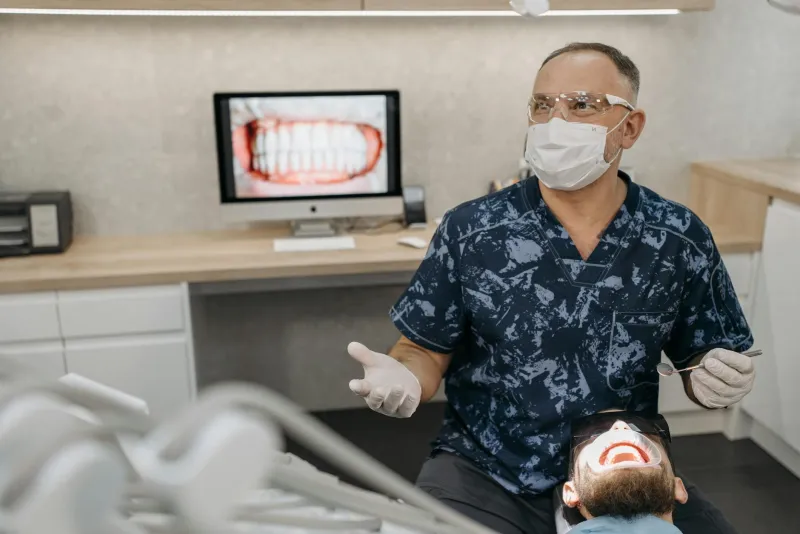
The Neighborhood Dentist Everyone Knew
Dr. Peterson's office was on Main Street, right between the hardware store and the five-and-dime. His receptionist, Mrs. Walsh, had been there since the Eisenhower administration and knew every family in town by name. She'd schedule your cleaning six months out, and nobody questioned whether they could afford to keep the appointment.
This was America in the 1960s and 70s, when dental care was woven into the fabric of middle-class life as naturally as Little League or piano lessons. Dr. Peterson might treat three generations of the same family, watching kids grow up in his chair, fixing their cavities with silver fillings that cost $15 each, and sending them home with a new toothbrush and a lecture about flossing.
The bill for a routine cleaning and exam? Maybe $25. A crown might set you back $150 — real money, but not the kind that required a family meeting or a payment plan. Most employer insurance covered 80% of basic care, and even without coverage, dental work was something working families could budget for without choosing between healthy teeth and other necessities.
When Dental Insurance Actually Covered Dental Care
Back then, dental insurance wasn't the maze of deductibles, annual maximums, and "usual and customary" limitations that it is today. The typical plan covered two cleanings a year, X-rays, and most basic procedures with minimal out-of-pocket costs. More importantly, dental insurance was designed when dental care actually cost what insurance companies were willing to pay.
The relationship between insurance and actual dental costs made sense. A filling covered by insurance was a filling you could afford. Orthodontics might require some family sacrifice, but it wasn't the years-long financial commitment that puts braces out of reach for millions of kids today.
Employers offered dental coverage as a standard benefit, not a luxury add-on. It was understood that healthy teeth were part of overall health, and that preventing dental problems was cheaper than treating advanced decay or gum disease later.
The Quiet Transformation Into Luxury Care
Somewhere between then and now, dental care underwent a transformation that most Americans barely noticed — until they needed it. While medical insurance evolved to cover more complex and expensive treatments, dental insurance remained frozen in time, with annual maximums that haven't meaningfully increased since the 1970s.
Today's typical dental plan caps coverage at $1,000 to $2,000 per year — about the same limit that existed when a crown cost $150 instead of $1,500. Meanwhile, dental school debt has skyrocketed, pushing new dentists toward higher-end cosmetic practices and away from the neighborhood family dentistry that once served entire communities.
The result is a two-tiered system that would have been unthinkable to Dr. Peterson's generation. Affluent families get regular cleanings, preventive care, and cosmetic work. Working families skip cleanings, ignore pain until it becomes unbearable, and view dental work as a luxury they'll address "someday."
The New Reality: Dental Tourism and Emergency Rooms
Today, millions of Americans live with untreated dental pain because they can't afford care. Emergency rooms, which can't provide dental treatment, see thousands of patients seeking relief from dental infections and abscesses. Some families drive to Mexico for procedures that would cost thousands more at home. Others rely on charity clinics with months-long waiting lists.
The statistics tell the story: over 60 million Americans have no dental coverage at all, and even those with insurance often can't afford the out-of-pocket costs for major work. Children miss school due to dental pain, adults avoid smiling in job interviews, and seniors live on soft foods because they can't afford dentures.
What was once a routine part of healthcare has become what economists call a "luxury good" — something whose demand increases dramatically with income. The whiter and straighter your teeth, the more likely you are to be perceived as successful, educated, and trustworthy. A healthy smile has become an expensive signal of social class.
When Prevention Became Unaffordable
Perhaps most tragically, the shift has made prevention — the cheapest form of dental care — unaffordable for those who need it most. Dr. Peterson's $25 cleaning could prevent hundreds of dollars in future treatment. Today's $150 cleaning is skipped by families who can't spare the money, leading to more expensive problems down the road.
Children who grew up in Dr. Peterson's era might have had a few fillings, but they reached adulthood with healthy mouths and good dental habits. Today's kids from working families often reach their twenties having never seen a dentist regularly, starting adult life already behind in oral health.
What We Lost Along the Way
The transformation of dental care from routine healthcare to luxury service reflects broader changes in American society. We've moved from a system where basic necessities were broadly accessible to one where even fundamental health services are stratified by income.
Dr. Peterson's practice served everyone in town because everyone in town could afford his services. Today's dental practices increasingly cater to those who can pay out-of-pocket for premium care, while millions go without. We've gained technological advances and cosmetic options that Dr. Peterson couldn't have imagined, but we've lost the simple promise that every child could grow up with healthy teeth.
In a society where your smile can determine your job prospects, your dating success, and how others perceive your intelligence and character, dental care has become much more than healthcare — it's become a prerequisite for full participation in American life. The fact that this prerequisite is increasingly available only to those who can afford it says something profound about the country we've become, and the one we used to be.