The Art of the Accidental Discovery
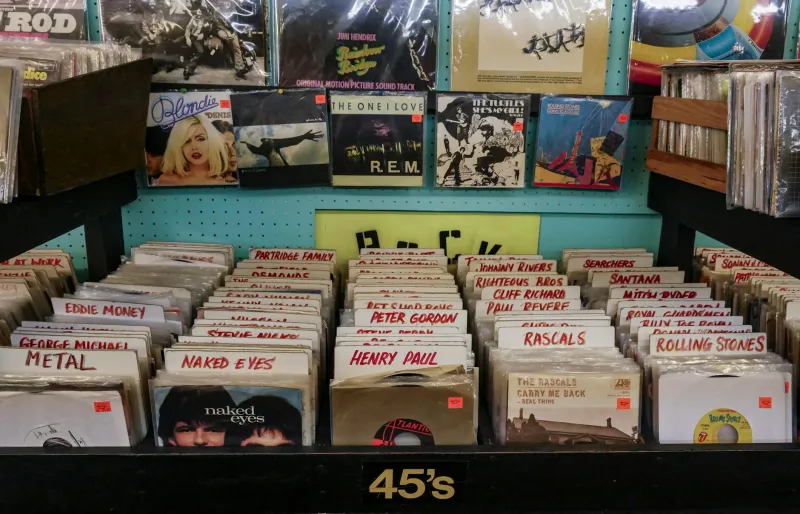
Picture this: It's Saturday afternoon in 1982, and you're flipping through vinyl records at Tower Records. Your fingers walk through alphabetized sections while the store's sound system plays something you've never heard before. You ask the long-haired clerk behind the counter, "Who is this?" He grins and slides the album across the counter. "You need to hear their whole catalog," he says, and suddenly you've discovered your new favorite band through a chance encounter and human recommendation.
 Photo: Tower Records, via www.vinylchapters.com
This was music discovery before the algorithm — messy, social, and completely unpredictable. Finding new music required leaving your house, talking to strangers, and trusting other people's taste. It was inefficient by today's standards, but it was also deeply personal and often surprising in ways that today's precision-targeted recommendations rarely manage to achieve.
Radio DJs were the original influencers, but their power came from curation rather than follower counts. Late-night FM hosts like Wolfman Jack or local afternoon drive-time personalities didn't just play music — they told stories, shared context, and built relationships with listeners who tuned in religiously. When your favorite DJ said, "You need to hear this new band," it carried weight because you trusted their taste after months or years of listening.
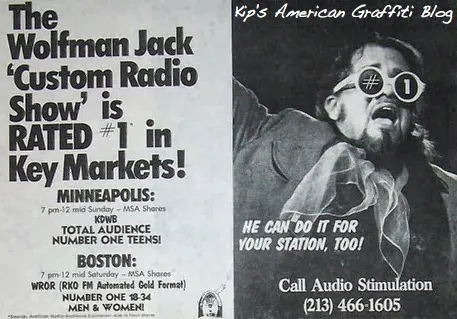 Photo: Wolfman Jack, via 3.bp.blogspot.com
The Ritual of the Record Store
Record stores weren't just retail outlets — they were community centers for music lovers. The employees were often musicians themselves, walking encyclopedias of musical knowledge who could connect dots between genres and eras. They'd remember what you bought last time and suggest something similar, or completely different if they sensed you were ready for adventure.
The physical act of browsing created serendipitous discoveries that streaming algorithms struggle to replicate. You might go in looking for the new Springsteen album and leave with a jazz record because the cover art caught your eye, or because you overheard someone else asking about it. The "customers who bought this also bought that" recommendation was a human conversation, not a data point.
Listening stations allowed you to preview albums before buying, but the selection was limited and the experience was communal. You'd see what other people were sampling, sometimes sharing headphones with strangers who wanted to hear what you were checking out. Music discovery had a social component that made finding new artists feel like joining a community rather than receiving a personalized data feed.
The Mixtape Economy of Trust
Before playlists became algorithmic, they were mixtapes — carefully curated collections that friends made for each other with the dedication of museum curators. Creating a good mixtape required understanding not just what music you liked, but what your friend might like, how songs flowed together, and what story you wanted to tell across 90 minutes of cassette tape.
Receiving a mixtape was like getting a letter. Someone had spent hours selecting songs, arranging the order, and often designing custom artwork for the case. The investment of time and thought made discovering new music through mixtapes feel precious in a way that adding a song to a Spotify playlist never quite matches.
Radio call-in shows created another layer of human curation. Listeners would phone in requests, dedications, and recommendations, creating a real-time conversation about music that everyone could participate in. The DJ became a facilitator of community taste rather than just a programmer following corporate playlists.
When MTV Actually Played Music Videos
Music Television launched in 1981 with the promise that video would revolutionize how people discovered music, and for about a decade, it delivered. MTV's VJs were video jockeys who introduced clips, shared artist trivia, and created appointment viewing around music discovery. "120 Minutes" exposed suburban kids to alternative music, while "Yo! MTV Raps" brought hip-hop to mainstream audiences.
The visual component added new dimensions to music discovery. A great video could make you love a song you might have skipped on the radio, while a terrible video could kill your interest in a track you'd previously enjoyed. Music discovery became multimedia storytelling, with artists and directors collaborating to create experiences that enhanced the music rather than just accompanying it.
Programs like "Total Request Live" turned music discovery into interactive democracy, with fans calling in votes for their favorite videos. The countdown format created anticipation and community around new releases, making music discovery feel like a shared cultural event rather than an individual consumer choice.
The College Radio Underground
College radio stations operated as the research and development arm of music discovery. Student DJs with no commercial pressures played experimental music, import singles, and local bands that would never make it onto commercial radio. Tuning into college stations was like having access to a parallel universe of music that existed outside the mainstream industry.
These stations often had tiny broadcasting ranges, making them hyperlocal phenomena that created regional music scenes. A college DJ in Athens, Georgia, might break a band that wouldn't be heard in Atlanta for months, creating geographic diversity in musical taste that streaming algorithms tend to flatten.
The amateurism of college radio was part of its charm. DJs would stumble over pronunciations, play records at the wrong speed, and share personal stories about why they loved certain songs. This human imperfection made the music feel more authentic and the discovery process more intimate than today's polished, professional streaming experience.
What Algorithms Can't Replicate
Today's music discovery is undeniably more efficient. Spotify's Discover Weekly can introduce you to more new music in an hour than you might have found in a month of record store browsing. But efficiency isn't the only measure of a good system.
The old system of human-mediated music discovery created cultural moments that algorithms struggle to generate. When a DJ broke a new song, or when a record store clerk championed an unknown band, it felt like being let in on a secret. The scarcity of discovery opportunities made each new find feel more valuable.
Modern music discovery optimizes for engagement and retention, trying to keep you listening rather than challenging your taste or expanding your horizons. The old system was comfortable with dead ends, weird tangents, and the possibility that you might not like what someone recommended. That willingness to risk failure created space for genuine surprise.
The shift from human curation to algorithmic recommendation represents more than just technological progress — it's a change in how we think about taste, community, and the value of expert knowledge. In gaining the ability to instantly access any song ever recorded, we may have lost something harder to quantify: the joy of musical discovery as a fundamentally human, social experience.