When Calling in Sick Didn't Require an Excuse: How America Lost the Art of Actually Resting
When Calling in Sick Didn't Require an Excuse: How America Lost the Art of Actually Resting
Picture this: It's 1965, and you wake up with a pounding headache and chills. You call your boss, explain you're under the weather, and he tells you to "take care of yourself and come back when you're feeling better." No doctor's note required. No guilt trip about deadlines. No expectation that you'll check emails from bed.
If this scenario sounds like workplace fantasy, you're experiencing firsthand how dramatically America's relationship with sick days has changed. What once seemed like basic human decency — allowing people to recover when they're ill — has quietly transformed into something far more complicated and, frankly, cruel.
The Golden Age of Getting Better
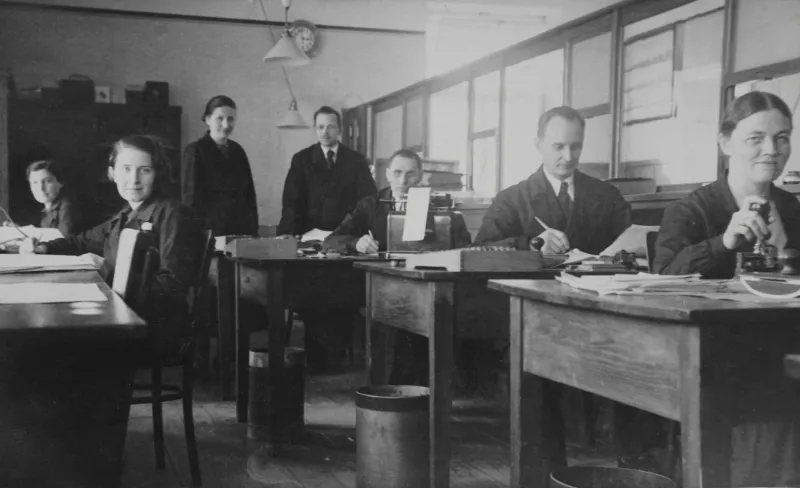
In the post-World War II boom years, most full-time American workers enjoyed something that sounds almost mythical today: genuine sick leave. Companies like General Motors, IBM, and countless smaller businesses built sick time into their standard benefits packages. The logic was simple — healthy workers were productive workers, and pushing through illness just made everyone sicker.
Back then, calling in sick was a phone call, not a performance. "I'm not feeling well today" was sufficient explanation. Your supervisor might ask if you needed anything or when you expected to return, but the underlying assumption was trust. If you said you were sick, you were sick.
The pace of work itself supported recovery. Without email, smartphones, or constant connectivity, being home sick meant being genuinely disconnected. Your colleagues covered for you, projects waited, and the world somehow kept spinning without your immediate input.
When Rest Actually Meant Rest
Perhaps most remarkably, sick days in mid-century America were for resting — not catching up on household chores, running errands, or working from bed. The cultural expectation was clear: if you're too sick to come to work, you're too sick to do anything productive.
Employers often encouraged this approach. Company handbooks from the 1950s and 1960s frequently reminded workers that proper rest speeds recovery and prevents spreading illness to coworkers. Some progressive companies even had on-site nurses who would send obviously unwell employees home.
This wasn't just corporate benevolence — it was practical business sense. In an era before modern medicine could quickly treat many common ailments, allowing proper recovery time prevented minor illnesses from becoming major health crises that could sideline workers for weeks.
The Slow Erosion of Empathy
The shift away from this model didn't happen overnight. It began in the 1980s as American business culture embraced "lean" operations and began viewing employee benefits as unnecessary expenses rather than investments in workforce stability.
The rise of performance metrics and productivity tracking made taking sick days feel like personal failure. Suddenly, your absence wasn't just about your health — it was about letting down the team, missing targets, and proving you weren't "committed" enough.
Technology accelerated this transformation. The introduction of personal computers, then laptops, then smartphones, gradually blurred the line between being sick and being available. Why stay completely offline when you could answer a few emails from bed?
Today's Sick Day Reality
Fast-forward to today, and the American sick day experience bears little resemblance to its predecessor. According to recent surveys, over 40% of American workers have no paid sick leave whatsoever. For those who do, using it often requires navigating a gauntlet of guilt, documentation, and makeshift productivity.
Modern workers frequently describe feeling pressured to "prove" their illness with doctor's visits they can't afford, detailed explanations of symptoms, or promises to check emails throughout their recovery. The gig economy has made this even worse — when you're an Uber driver or freelance consultant, sick days aren't just unpaid, they're often impossible.
Even workers with generous sick leave policies report reluctance to use them. The fear of being seen as unreliable, weak, or uncommitted has created a culture where dragging yourself to work while contagious is viewed as dedication rather than poor judgment.
The Hidden Costs of Presenteeism
This shift toward "presenteeism" — showing up to work despite being ill — carries costs that extend far beyond individual discomfort. Studies show that employees working while sick are significantly less productive and more likely to make errors that can be costly for businesses.
More troubling is the public health impact. The expectation that workers power through illness has contributed to everything from seasonal flu outbreaks to the rapid workplace spread of more serious illnesses. The COVID-19 pandemic starkly illustrated how America's eroded sick leave culture had become a genuine threat to collective health.
What We Lost Along the Way
The transformation of American sick day culture represents more than just changing workplace policies — it reflects a fundamental shift in how we view the relationship between work and human wellbeing. Somewhere along the way, we decided that economic productivity mattered more than basic human needs like rest and recovery.
Our grandparents' generation understood something we've forgotten: taking care of yourself when you're sick isn't selfish or lazy — it's responsible. They built workplaces around the assumption that humans occasionally get ill and need time to recover, rather than expecting people to transcend their biology in service of quarterly earnings reports.
As we grapple with ongoing discussions about work-life balance and employee wellbeing, perhaps it's worth remembering that we once had a much healthier relationship with sickness and recovery. The question isn't whether we can afford to return to those standards — it's whether we can afford not to.