The Sound of Silence
Picture this: It's 1978, and you wake up with a fever. You call your boss from the kitchen phone, croak out "I won't be in today," and hang up. That's it. No follow-up emails, no "just checking in" messages, no laptop balanced precariously on your chest while you attempt to join a Zoom meeting between coughing fits.
For most of American working history, being sick meant one thing: getting better. The concept was beautifully simple. Your body needed rest, so you rested. Your workplace would function without you for a day or two, and everyone understood this basic human reality.
The Daytime Television Cure
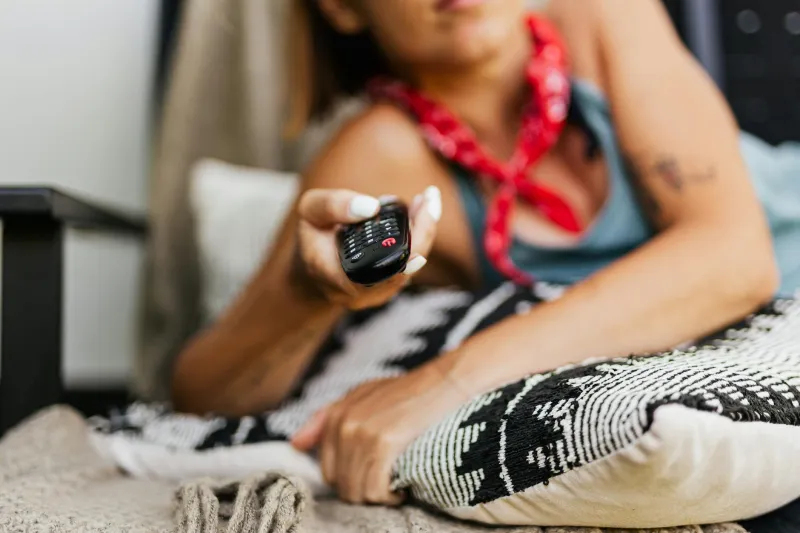
Back then, a sick day had its own rhythm. You'd shuffle to the couch in your pajamas, armed with a box of tissues and whatever soup your mom had taught you to make. The television became your companion, offering a lineup of game shows, soap operas, and afternoon movies that seemed designed specifically for the temporarily bedridden.
The Price is Right at 11 AM, followed by General Hospital at 2 PM — these weren't just shows, they were markers of a proper recovery day. You knew you were getting better when you started caring about whether Luke and Laura would finally get together, or when you found yourself shouting answers at contestants who clearly had no idea how much a toaster actually cost.
There was something almost medicinal about this routine. The gentle pace of daytime programming matched the slow work of healing. No urgent notifications, no pressure to be productive, just the simple luxury of time moving at the speed of recovery.
When Absence Really Was Absence
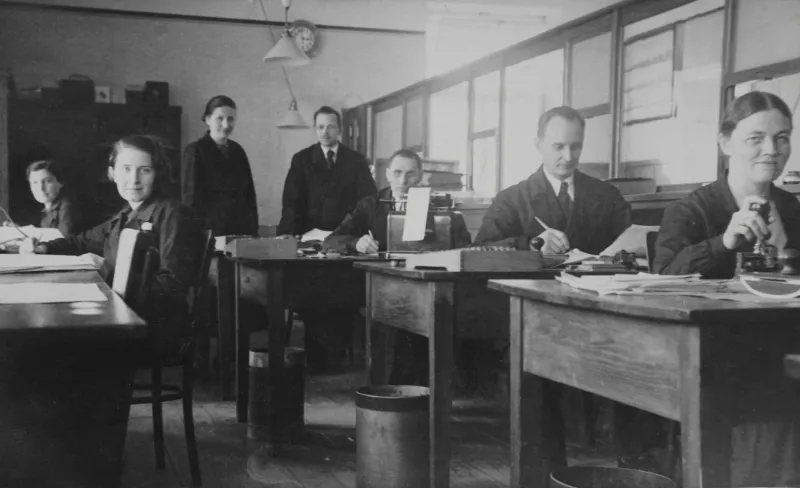
The most striking difference between then and now wasn't just the technology — it was the expectation. When you called in sick in 1985, your colleagues genuinely didn't expect to hear from you until you returned. Your desk would sit empty, your projects would wait, and the world would somehow continue spinning without your immediate input.
This wasn't considered lazy or unprofessional. It was considered human. Bosses understood that sick employees who tried to work usually stayed sick longer, potentially spreading illness around the office and ultimately hurting productivity more than a clean day or two of absence.
Companies had systems in place for this reality. Cross-training was common because everyone understood that people occasionally got sick. Deadlines built in buffer time because project managers knew that human beings weren't machines that could run indefinitely without maintenance.
The Always-On Invasion
Somewhere between the introduction of email in the 1990s and the smartphone revolution of the 2000s, everything changed. The boundary between sick and working began to blur in ways that would have seemed absurd to previous generations.
Today, calling in sick often triggers an immediate internal negotiation: How sick am I, really? Can I handle a few emails? What about that important meeting — surely I can dial in for just the first ten minutes? The laptop sits nearby like a persistent friend, making it easy to "just check one thing" that inevitably turns into three hours of trying to work while running a fever.
Modern sick days have become performances of productivity rather than periods of recovery. We've created elaborate justification systems for our illness, sending detailed updates about symptoms and expected return dates, as if our bodies were project timelines that could be managed and optimized.
The Recovery Revolution We Forgot
What we've lost isn't just the simplicity of unplugging — it's the understanding that recovery requires actual rest. The human immune system doesn't multitask well. When your body is fighting off an infection, every bit of energy spent checking emails is energy not spent healing.
Our grandparents understood something we've forgotten: being sick isn't a personal failure that needs to be compensated for with remote productivity. It's a temporary state that requires temporary absence from normal activities. The goal isn't to minimize the impact on everyone else — it's to maximize the speed and completeness of your recovery.
The Soup and Soap Opera Solution
There's wisdom in the old model that goes beyond just workplace culture. The ritual of a proper sick day — the soup, the daytime TV, the guilt-free horizontal time — wasn't just about physical comfort. It was about giving yourself permission to be temporarily diminished without feeling diminished as a person.
When your biggest decision was whether to watch Wheel of Fortune or take another nap, you weren't just resting your body. You were practicing something modern life rarely allows: complete presence in the moment, even when that moment involved feeling terrible.
The irony is that by trying to stay connected and productive while sick, we've made ourselves less productive overall. We extend our recovery time, risk infecting others, and burn out faster than generations who understood that sometimes the most productive thing you can do is absolutely nothing.
Maybe it's time to remember that being human includes being occasionally, temporarily, and completely unavailable. Your emails will wait. Your projects will survive. And you might just discover that chicken noodle soup and The Price is Right really were onto something all along.