The Weekly Ritual That Ruled America
Every Sunday at precisely 1 PM, something remarkable happened in American homes across the country: families gathered around dining room tables for a meal that took hours to prepare and even longer to properly enjoy. This wasn't just dinner — it was Sunday dinner, a sacred weekly ritual that structured family life and social calendars for generations.
Today, the idea of spending an entire afternoon preparing and eating one meal seems almost extravagant. But for most of American history, Sunday dinner was as essential to family life as church services or weekend chores.
The Production Behind the Meal
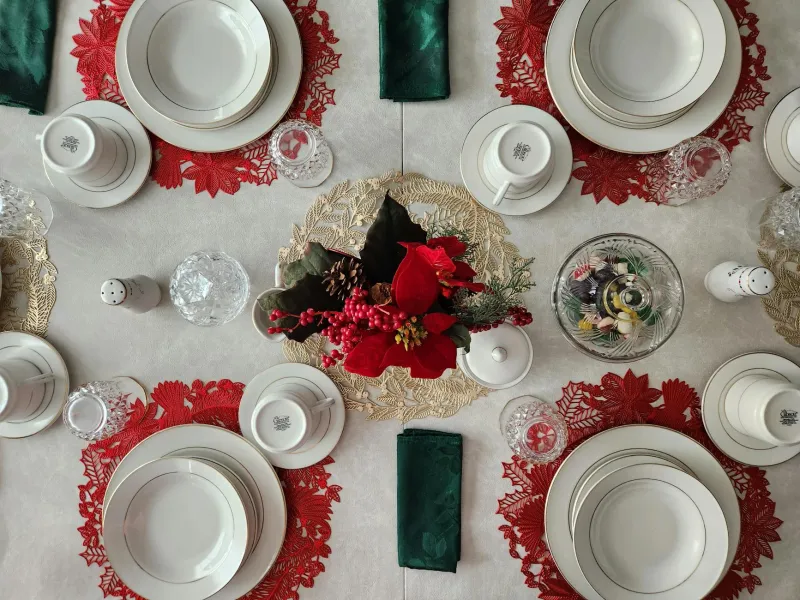
Sunday dinner preparation began on Saturday night with menu planning and ingredient prep. Sunday morning meant rising early to get the roast in the oven, peeling vegetables, and setting the table with the good china — plates that saw daylight maybe once a week.
The meal itself followed an unspoken hierarchy of dishes. Pot roast with carrots and potatoes dominated many tables, while others featured fried chicken, ham, or turkey. Side dishes weren't afterthoughts — they were carefully orchestrated supporting acts. Green beans, mashed potatoes, cornbread, and gravies all had their designated roles.
Dessert wasn't store-bought; it was homemade pie, cake, or cobbler that filled the house with competing aromas all morning long.
The Geography of the Table
Seating arrangements mattered. Dad sat at the head of the table, Mom often closest to the kitchen for easy serving access. Children had their designated spots, and visiting relatives or neighbors were given places of honor. The table was set properly — cloth napkins, multiple forks, water glasses, and serving dishes that only emerged for special occasions.
The dining room itself was reserved for this weekly ceremony. Unlike today's kitchens that serve as command centers for family life, the dining room was formal space dedicated to the serious business of family meals.
Conversation as the Main Course
With no television in the dining room and certainly no phones to check, conversation carried the meal. Family news was shared, plans were made, and stories were told. Children learned to participate in adult conversation, ask questions, and listen respectfully.
These weren't rushed exchanges between bites of food grabbed on the run. Sunday dinner conversation unfolded slowly, moving from topic to topic as naturally as courses moved from appetizer to dessert. Disagreements were discussed, achievements were celebrated, and family history was passed down through stories that grandparents told while everyone lingered over coffee and pie.
The Extended Timeline
Sunday dinner wasn't a 30-minute affair. The meal itself could last two hours, but the entire experience stretched from mid-morning preparation through late afternoon cleanup. Guests often arrived early and stayed late. Children played before and after the meal while adults talked.
This extended timeline created space for relationships to develop naturally. Cousins who saw each other mainly on Sundays maintained real friendships through these weekly gatherings. Grandparents shared wisdom and family stories that might never emerge in hurried weekday interactions.
The Community Connection
Many families extended Sunday dinner invitations to neighbors, church friends, or relatives who lived alone. The meal served as a social safety net, ensuring that community members stayed connected and cared for.
Single neighbors, elderly relatives, or families going through difficult times often found themselves with standing Sunday dinner invitations. The ritual created natural opportunities for community support and relationship building.
When Everything Changed
The decline of Sunday dinner didn't happen overnight, but several cultural shifts gradually eroded this American institution. Women entering the workforce en masse meant less time for elaborate meal preparation. Suburban sprawl scattered extended families across greater distances. Youth sports leagues began scheduling games and practices on Sunday afternoons.
Restaurant culture expanded, making dining out a normal weekend activity rather than a special occasion. Cable television offered Sunday afternoon entertainment that competed with family conversation. Later, smartphones ensured that even family meals became opportunities for individual distraction rather than collective connection.
Today's Fragmented Food Culture
Modern American families eat differently than their grandparents did. Meal kits promise convenience but eliminate the ritual of planning and preparation. Family members often eat at different times, accommodating varied schedules and preferences. Restaurants have replaced home kitchens as the default setting for special meals.
When families do gather for meals, the experience is often hurried and interrupted. Phones buzz with notifications, television provides background noise, and busy schedules create pressure to move quickly to the next activity.
What We Gained and Lost
Today's food culture offers undeniable advantages: convenience, variety, and flexibility that previous generations couldn't imagine. Families can accommodate different dietary needs and preferences more easily. Meal preparation no longer consumes entire days.
But something intangible was lost when Sunday dinner disappeared from American life. The weekly rhythm it provided created predictable family time that couldn't be canceled or postponed. The elaborate preparation demonstrated care and investment in family relationships. The extended conversations built connections that quick exchanges over rushed meals simply can't replicate.
The Lingering Question
As American families struggle with increasing isolation, packed schedules, and digital distraction, the old Sunday dinner tradition raises uncomfortable questions about modern priorities. In our rush toward convenience and efficiency, did we accidentally eliminate one of the most important weekly rituals for family connection?
Some families are rediscovering the power of intentional meal rituals, setting aside phones and creating space for unhurried conversation. But for most Americans, the idea of spending an entire Sunday afternoon around the dinner table feels as foreign as any historical artifact.
The good china sits in cabinets, the dining room serves as a home office, and Sunday dinner has become another casualty of our accelerated modern life. What once stopped the whole country in its tracks now exists mainly in memory and the occasional holiday gathering that reminds us what we've quietly left behind.