When Weddings Happened on Saturday Afternoons
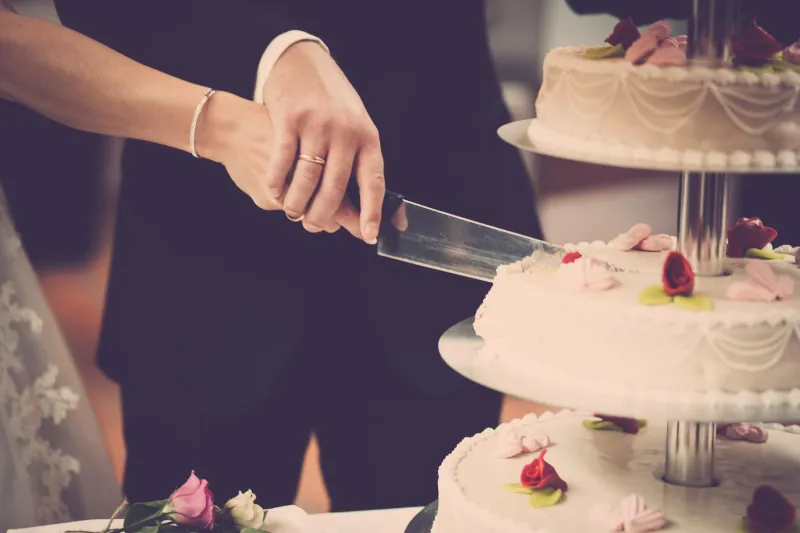
Flip through your grandmother's wedding album, and you'll notice something striking: everyone looks genuinely happy, despite the complete absence of professional photographers, destination venues, or color-coordinated centerpieces. The bride wore her mother's dress, the reception happened in the church fellowship hall, and the biggest expense was probably the three-tier cake from the local bakery.
In 1960, the average American wedding cost about $900 — roughly $8,500 in today's dollars. The median household income was $5,600, meaning most couples spent about 15% of their annual earnings on their big day. More importantly, they usually paid cash.
The Church Basement Reception Hall
Wedding receptions in the 1950s and 60s followed a predictable pattern that nobody questioned. The ceremony happened at 2 PM in the bride's family church, followed by cake and punch in the basement social hall. If you were feeling fancy, there might be finger sandwiches and mints.
The decorations? Paper streamers and flowers from someone's garden. The entertainment? Uncle Bob with his accordion and maybe a few records on the church's hi-fi system. The photography? Dad's Kodak camera and whatever the church ladies snapped during the reception.
Nobody felt deprived. This was simply what weddings looked like, and the focus stayed squarely on the actual purpose: celebrating two people starting a life together.
When Your Dress Came From Mom's Closet
The modern bridal industry would collapse if faced with 1960s wedding expectations. Brides routinely wore their mother's wedding dress, altered to fit by a local seamstress for maybe twenty dollars. If the family dress wasn't suitable, a simple white dress from the department store would do just fine.
Grooms rented their tuxedos from the same shop that handled high school proms, or simply wore their best dark suit. Wedding parties were small — usually just one attendant each — and everyone was expected to wear something they already owned or could use again.
The idea of spending $2,000 on a dress you'd wear once would have seemed absurd to a generation that had lived through the Depression and World War II rationing.
The Potluck Reception Revolution
Many wedding receptions operated on a community potluck model that would horrify today's catering industry. Church ladies would coordinate who brought what, resulting in tables laden with homemade casseroles, Jello salads, and sheet cakes that cost a fraction of professional catering.
The bar? Usually nonexistent, or limited to a punch bowl that may or may not have been spiked with something from Uncle Frank's basement still. Dancing happened to records, if at all, and the whole celebration wrapped up by 6 PM so everyone could get home for Sunday dinner preparations.
How We Built a $300 Billion Industry
Today's average American wedding costs $35,000 — more than many couples earn in a year. What changed? Everything.
The wedding industry discovered that emotional milestones make excellent marketing opportunities. Suddenly, a simple celebration became a "once-in-a-lifetime event" that demanded professional everything: photographers, videographers, planners, florists, caterers, and venues that specialize in nothing but weddings.
Bridal magazines appeared, filled with glossy photos of elaborate celebrations that made church basement receptions look shabby by comparison. The message became clear: if you really loved each other, you'd spare no expense proving it.
The Social Media Wedding Arms Race
Instagram and Pinterest accelerated wedding inflation beyond anything previous generations could have imagined. Suddenly, every couple felt pressure to create an event that would photograph well and generate likes from friends who were simultaneously planning their own Instagram-worthy celebrations.
Destination weddings became common, forcing guests to choose between attending their friend's ceremony and paying their mortgage that month. Professional engagement photos became standard, adding another $2,000 to the pre-wedding expenses. Save-the-date cards, rehearsal dinners, and bachelor/bachelorette weekends in Las Vegas turned what used to be a single afternoon into a months-long financial marathon.
The Debt That Follows You Down the Aisle
Perhaps the most striking difference is how couples finance their weddings today. In 1960, most weddings were paid for with cash, often with help from both families who had been saving for the occasion since their children were small.
Today, 45% of couples go into debt to fund their weddings, with the average wedding debt exceeding $15,000. Young couples begin married life not with a nest egg, but with credit card payments that will stretch for years.
The irony is profound: an event meant to celebrate the start of a partnership often begins that partnership with financial stress that previous generations couldn't have imagined.
What Got Lost in Translation
Somewhere between the church basement and the vineyard venue, weddings stopped being community celebrations and became consumer experiences. The focus shifted from marking a life transition to creating a perfect day that would impress others.
Your great-aunt's wedding photos show people talking, laughing, and genuinely enjoying each other's company. Today's wedding photos often show a carefully choreographed performance designed more for social media than for the actual participants.
The community aspect largely disappeared too. Instead of church ladies organizing the reception and neighbors contributing their specialties, weddings became transactions with professional vendors who disappeared as soon as the check cleared.
The Simple Truth About Happiness
Studies consistently show no correlation between wedding spending and marriage satisfaction. Couples who spend less on their weddings report equal or higher levels of happiness compared to those who stage elaborate productions.
Your great-aunt, who danced to accordion music in a church basement while wearing her mother's dress, was just as married as any couple who spent six figures on their perfect day. The difference is that she started her marriage with money in the bank instead of payments to make.