The Supermarket Your Grandparents Knew Would Blow Your Mind Today — And Vice Versa
The Supermarket Your Grandparents Knew Would Blow Your Mind Today — And Vice Versa
The weekly grocery run feels like one of the most ordinary things in American life. You make a list, you go to the store, you come home. Maybe you order online now and skip the trip entirely. Either way, it feels routine — even a little mundane.
But the modern American supermarket is, by any historical measure, an almost absurdly extraordinary place. And the best way to understand just how extraordinary it is, is to look at what grocery shopping actually looked like two or three generations ago.
A Smaller World on the Shelves
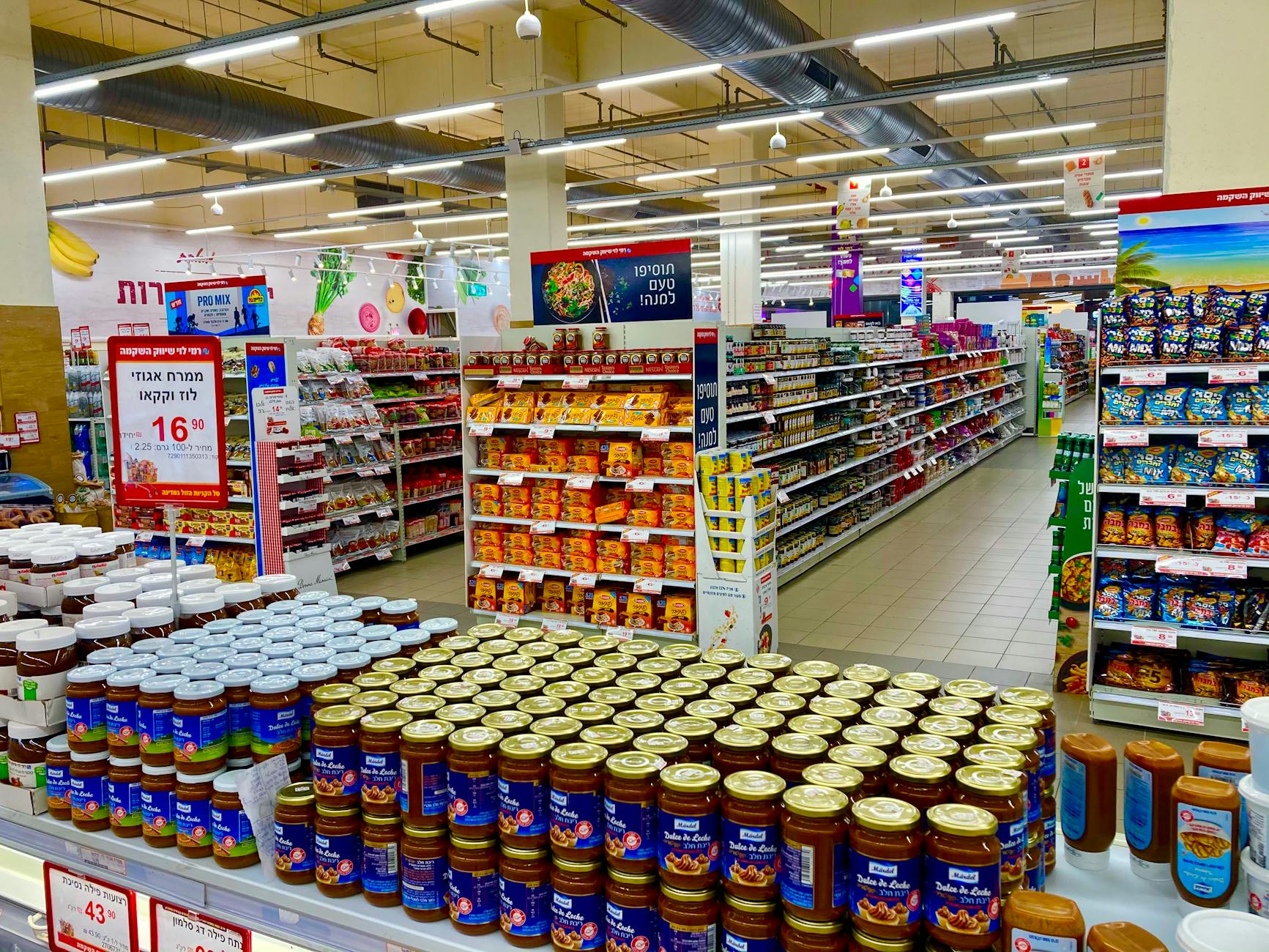
The average American supermarket today stocks somewhere between 30,000 and 40,000 individual products. That number is so large it barely registers. But consider what the typical grocery store carried in the early 1950s: somewhere in the range of 3,000 to 4,000 items. That's not a rounding error — it's a tenfold difference in the sheer variety of what was available to the average family doing their weekly shop.
And it wasn't just fewer brands of the same things. Whole categories of food simply didn't exist on American shelves. There was no sriracha next to the ketchup. There was no refrigerated section of fresh tortillas. Olive oil was a specialty item found in Italian neighborhoods or pharmacies, where it was sometimes stocked as a medicinal product. Avocados were exotic. Hummus was essentially unknown outside of Middle Eastern immigrant communities.
The American pantry of the 1950s was shaped almost entirely by what could be grown domestically, preserved easily, or sourced from a narrow band of trade relationships. It was a world of canned goods, white bread, iceberg lettuce, and whatever vegetables happened to be in season locally.
Seasonality Was Not a Lifestyle Choice
Today, "eating seasonally" is a conscious decision — a value-driven choice that certain consumers make deliberately, often paying a premium for the privilege. In 1955, it wasn't a choice at all. It was just reality.
If strawberries weren't in season in your region, there were no strawberries. Tomatoes in January were either canned or simply absent. The idea of biting into a fresh peach in February, flown in from Chile and stocked alongside a hundred other out-of-season fruits, would have seemed like something out of a science fiction story to a housewife pushing a cart through a Pittsburgh grocery store in 1953.
The cold chain — the network of refrigerated trucks, warehouses, and shipping containers that keeps fresh produce viable across thousands of miles — simply wasn't developed enough to make year-round fresh produce a standard feature of American grocery shopping. What you ate was largely determined by where you lived and what time of year it was. That's a constraint so fundamental it shaped how families planned meals, preserved food at home, and thought about eating altogether.
Checkout Was a Human Performance
There were no barcodes in 1955. The Universal Product Code wasn't standardized until 1974, and it took years after that to become truly widespread. Which means every single item in a shopper's cart had to be individually identified and manually entered by a cashier who either read the price tag or simply knew the store's inventory well enough to recall it.
This was skilled work. A fast, accurate cashier was genuinely valuable. The process was slower, obviously, but it also meant that pricing errors were common, and the shopper often had very little way to verify what they were being charged in real time. You watched the numbers get punched in and hoped the total felt about right.
Now think about a modern self-checkout lane, where a sensor identifies your item the moment it crosses a scanner, links it to a live database, applies any digital coupons attached to your loyalty account, and updates your receipt in milliseconds. The technological distance between those two experiences is staggering — and we move through the modern version without a second thought.
The Price of Convenience — Then and Now
American families in the 1950s spent a significantly larger share of their household income on food than they do today. In 1955, the average American family spent roughly 30 percent of their take-home pay on groceries. Today, that figure sits closer to 8 to 10 percent for most households.
That shift reflects a combination of agricultural efficiency, global supply chains, advances in food processing, and the sheer economies of scale that come with a modern retail system. Food, in real terms, got dramatically cheaper over the second half of the twentieth century — which is one of the more underappreciated economic stories of the era.
The tradeoff, of course, is complexity. More choice, more processing, more packaging, more questions about where food actually comes from and what's in it. The 1950s grocery store offered less variety but arguably more transparency — you knew what you were buying because the options were simple.
Same Errand, Different Universe
Today you can order groceries from your couch at midnight and have them on your doorstep before noon the next day. You can filter by dietary restriction, compare unit prices across brands, and never once interact with another human being. You can get a rotisserie chicken, a bottle of Argentinian wine, fresh-cut flowers, sushi-grade salmon, and a birthday cake from the same building.
Your grandparents would find that genuinely surreal.
And yet the errand itself — feeding your household for the week — is exactly the same one they were running. The goal hasn't changed at all. Everything around it has.